Your Shark air purifier silently battles dust, pet dander, and allergens daily—but when filters clog, performance plummets by up to 50%. That sudden drop in airflow isn’t just annoying; it forces your unit to work harder, wasting energy and shortening its lifespan. Learning how to clean Shark air purifier filter components properly restores factory-level efficiency in under 20 minutes. This guide delivers the exact steps for every filter type in your model, backed by Shark’s engineering specifications. You’ll discover why monthly maintenance prevents costly replacements and how to spot hidden issues before they damage your unit. Stop breathing stale air—let’s get your purifier humming like new.
Power Down & Prep Safely Before Touching Filters
Unplug your Shark unit immediately—never skip this step. Electrical components remain energized even when powered off, creating shock risks during filter access. Wait 10-15 minutes after shutdown for internal fans to stop spinning completely; reaching inside too soon risks finger injuries or fan blade damage. Work near an open window or garage door to let dislodged particles disperse safely—confined spaces cause dust clouds to resettle on surfaces.
Gather these essentials before starting: soft-bristle brush or vacuum with upholstery attachment, mild dish soap (no bleach or harsh chemicals), lukewarm water, lint-free microfiber towels, and a basin large enough for filters. Rubber gloves protect sensitive skin from trapped pollutants. Pro tip: Place newspaper under your work area—pre-filters release shocking amounts of debris even after light vacuuming.
Critical Safety Mistakes to Avoid
Forcing stuck panels breaks internal clips that cost $40+ to replace. If resistance occurs during removal, double-check all release mechanisms—most Shark models require depressing bottom clips while pulling the front grille forward. Never spray cleaners directly inside the housing; moisture seeps into electrical components causing permanent damage. And crucially, never immerse HEPA filters in water unless explicitly labeled “washable” in your manual—water destroys their microscopic fiber structure.
Identify Your Shark Filter Types Instantly
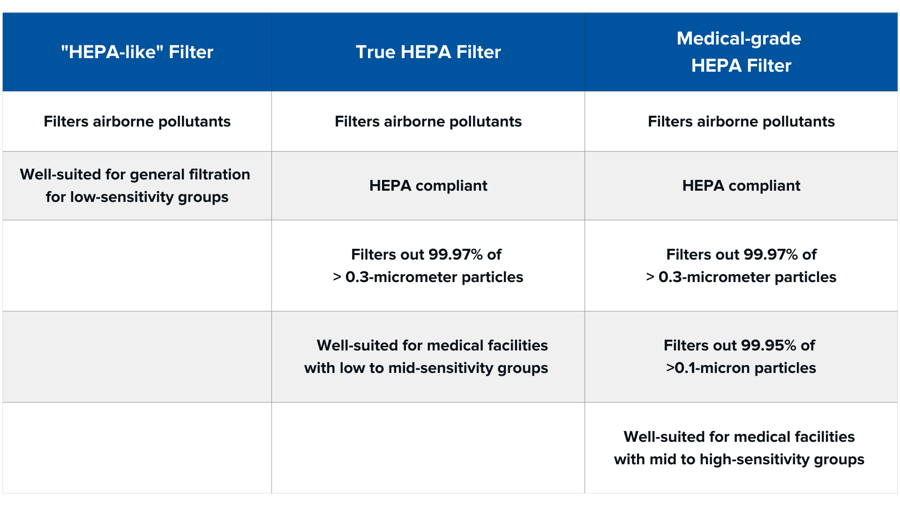
Shark purifiers contain 2-3 specialized filters requiring distinct care methods. Locate your model number inside the front panel—this determines your exact configuration. All models include a washable pre-filter (gray mesh screen at intake) that traps large debris like pet hair. Behind it sits the HEPA filter (white pleated cartridge), which captures 99.97% of particles 0.3 microns or larger. Some units add a carbon filter (black honeycomb layer) for odor elimination—check if yours is washable (stitched seams) or disposable (glued paper frame).
Pre-Filter vs. HEPA: Spot the Difference
Hold filters to light: Pre-filters show visible mesh holes even when dirty, while HEPA filters appear densely packed with fine fibers. If your model combines HEPA and carbon into one cartridge (common in newer Shark AP series), it’s strictly vacuum-only—never wash. Washable carbon filters feel slightly gritty due to activated charcoal granules; disposable versions feel papery. Confused? Run this test: Dampen a corner of questionable carbon filters—if water beads up, it’s washable; if it soaks in, replace it.
Remove Pre-Filter Without Breaking Clips
Quick Release Technique That Works
Locate the two bottom clips beneath the front grille—they’re small rectangular tabs recessed 1/2 inch from the edges. Press both inward simultaneously while pulling the panel forward with your other hand. Once released, slide the pre-filter straight up along its tracks; never yank horizontally. If clips resist, insert a plastic spudger (or credit card edge) to gently widen the gap—metal tools scratch housing.
Visual Inspection: Is It Beyond Saving?
Hold the pre-filter against a bright window. Healthy mesh shows clear visibility through fibers; clogged filters turn opaque gray with visible pet hair clumps. Heavy pet households should inspect weekly—delayed cleaning lets matted hair warp the frame. If mesh holes are completely blocked or the plastic frame is cracked, replace it immediately ($15-$25). Pro tip: Photograph your filter’s orientation before removal—arrows must point toward the unit interior during reinstallation.
Deep Clean Pre-Filter Mesh Properly
Debris Removal That Prevents Mess
Take the filter outside immediately—indoor cleaning floods your space with dust clouds. Hold it vertically and tap the frame firmly against a doorjamb 3-5 times. Watch for the “debris cascade”: First loose particles fall, followed by hair clumps. Continue until no visible dust releases. For stubborn pet hair, use a soft brush in short outward strokes (never toward the mesh).
Washing Process With Zero Damage Risk
Rinse the dirty side under lukewarm water first—this flushes particles outward. Apply pea-sized soap directly to the mesh, then massage gently with fingertips in circular motions. Critical: Avoid brushes here—they snag and tear delicate fibers. Rinse for 60+ seconds until water runs perfectly clear; residual soap attracts more dirt. Shake vigorously 20 times to eject trapped water, then pat dry (never rub) with microfiber towels. Air-dry 2-4 hours minimum—test by pressing paper towel against mesh for 10 seconds; any moisture transfer means it’s not ready.
Vacuum HEPA Filter Without Destroying It
/how-to-clean-shark-vacuum-filter-5217133-06-81debb2bce5e48668277f5ad4fbe11f4.jpg)
Correct Technique to Preserve Filtration
Pull the HEPA cartridge straight out—no twisting. Set your vacuum to lowest suction power with upholstery attachment. Hold the brush at 45 degrees to the pleats and make slow, straight strokes following the fold direction (like combing hair). Focus on corners where dust nests; stop when visible debris vanishes. Over-vacuuming stretches fibers, creating gaps that let particles escape. Never use compressed air—it blows contaminants deeper into the filter matrix.
When Replacement Beats Cleaning
HEPA filters last 6-12 months but show failure signs earlier in polluted homes. Replace yours if: airflow weakens noticeably after cleaning, pleats appear uniformly gray (not just surface dust), or the unit runs 20% longer for the same room size. Track replacements by writing dates on the filter housing with permanent marker—Shark’s warranty requires this documentation. Cost-saving hack: Buy 2-pack replacements during holiday sales; they last 5 years unopened in sealed bags.
Carbon Filter Care: Washable vs. Disposable

Washable Carbon Filter Protocol
If your carbon filter has plastic framing and stitched seams, rinse it under cool (not warm) water only—heat deactivates the charcoal. Skip soap entirely; detergents coat pores that trap odors. Air-dry flat for 48 hours minimum—never speed-dry with heat. Test effectiveness by reinstalling and running near coffee grounds; if odors persist after 30 minutes, it’s saturated and needs replacing.
Disposable Carbon Filter Lifespan Hacks
Non-washable carbon filters last 3-6 months but degrade faster with cooking smoke, pet accidents, or chemical cleaners. Extend life by vacuuming monthly with lowest suction—just 15 seconds per side. Replace immediately if: persistent odors linger during operation, the filter feels damp (indicates moisture damage), or your unit’s odor indicator light stays on. Pro tip: Store replacements in airtight containers—they absorb ambient odors while waiting for installation.
Clean Filter Housing Interior Thoroughly
With all filters removed, wipe housing walls with a microfiber cloth dampened (not soaked) with water. Vacuum fan blades using brush attachment on lowest setting—hold the fan steady with a chopstick to prevent spinning. Clear drainage channels with cotton swabs; clogs here cause moisture buildup that rusts components. Finally, clean air output grilles by inserting a toothpick between slats to dislodge packed dust.
Hidden Problem Spots Most Users Miss
Check the airflow sensor slot—a dime-sized hole near the HEPA housing. Dust here tricks your unit into thinking filters are clean, reducing performance. Gently clear it with a folded paper towel corner. Also inspect the front panel clips for hair strands; trapped debris prevents secure closure causing air leaks. Never use alcohol wipes—they degrade plastic housings over time.
Reassemble Filters Without Costly Errors
Slide the pre-filter in first with airflow arrows pointing inward. Insert HEPA filters label-side facing outward (readable through the front panel). For carbon filters, align “FRONT” markings toward the intake. Push the front panel until you hear two distinct clicks—one per side clip. Gap-check by running your finger along the top edge; any space wider than a credit card means misaligned filters.
Post-Reassembly Airflow Test
Run your Shark on high for 30 minutes in an empty room. Place a tissue against the top vent—it should cling firmly within 2 seconds. Listen for rhythmic humming; clicking or rattling indicates loose components. Reduced airflow? Likely causes: damp pre-filter (swells when wet), HEPA pleats folded during insertion, or carbon filter installed backward. Disassemble immediately to correct—forcing operation damages motors.
Weekly Maintenance That Prevents Deep Cleaning
Spend 30 seconds weekly checking pre-filter visibility through the front grille. If mesh looks dark gray, remove and tap out debris—don’t wait for monthly cleaning. Vacuum HEPA filters monthly with 10-second passes per side; this prevents deep-set dirt that requires aggressive cleaning. Pro tip: Set phone reminders labeled “Shark Filter Check” every Sunday morning—it takes less time than brewing coffee.
Troubleshoot Filter Cleaning Failures Fast
Filter Won’t Fit After Cleaning
This usually means moisture retention—damp filters expand 3-5%. Air-dry 24 hours and retest. If still tight, check orientation: pre-filter arrows must point inward, HEPA labels outward. Bent frames from rough handling require replacement; forcing installation cracks housing clips.
Persistent Odors After Cleaning
Your carbon filter is saturated beyond recovery. Replace it immediately—delaying causes the unit to recirculate trapped odors. Also check for hidden sources: pet accidents under furniture or mold in AC ducts. Run your Shark 8+ hours daily post-replacement to purge residual smells.
Extend Filter Life With Strategic Placement
Position your unit 3+ feet from walls to prevent dust recirculation—corner placement cuts efficiency by 30%. Elevate it 2-3 feet off the floor (on a table or shelf) to capture airborne particles before they settle. Avoid direct sunlight exposure; UV rays degrade plastic frames over time. During high-pollen seasons, close windows and run continuously—this reduces filter workload by 40%.
Warranty Protection Essentials
Document every cleaning session in a maintenance log: dates, filter conditions, and replacement part numbers. Keep receipts for genuine Shark filters—third-party versions void warranties. Never use compressed air, high-pressure water, or chemical cleaners; Shark’s warranty explicitly excludes damage from these. When in doubt, call Shark support at 1-800-798-7398 before proceeding—they often email free replacement clips for damaged housings.
Clean filters restore your Shark air purifier’s peak performance within hours, cutting energy use by 25% and eliminating musty odors. Most users notice quieter operation and visibly clearer air within one cleaning cycle. Set monthly calendar reminders using your model number (e.g., “AP200 Filter Wash”)—this simple habit prevents 90% of premature replacements and keeps your warranty intact. Your lungs will thank you every time you take a deep, clean breath.