Indoor air quality significantly impacts your health and well-being, yet many homeowners overlook this critical aspect of their living environment. According to environmental health experts, indoor air can contain two to five times more pollutants than outdoor air, creating an invisible threat to your respiratory health. When considering solutions, air purifiers have emerged as essential tools for maintaining clean indoor environments—but how do you know which benefits are genuine and which apply to specific models like Coway?
This guide explores the general benefits associated with high-quality air purification systems, focusing on what consumers should understand when evaluating products in this category. Rather than making unverified claims about specific models, we’ll examine the established principles of effective air purification and how these translate to potential health improvements and quality-of-life enhancements in your home.
Health Protection Through Advanced Filtration
How Quality Air Purifiers Capture Harmful Particles
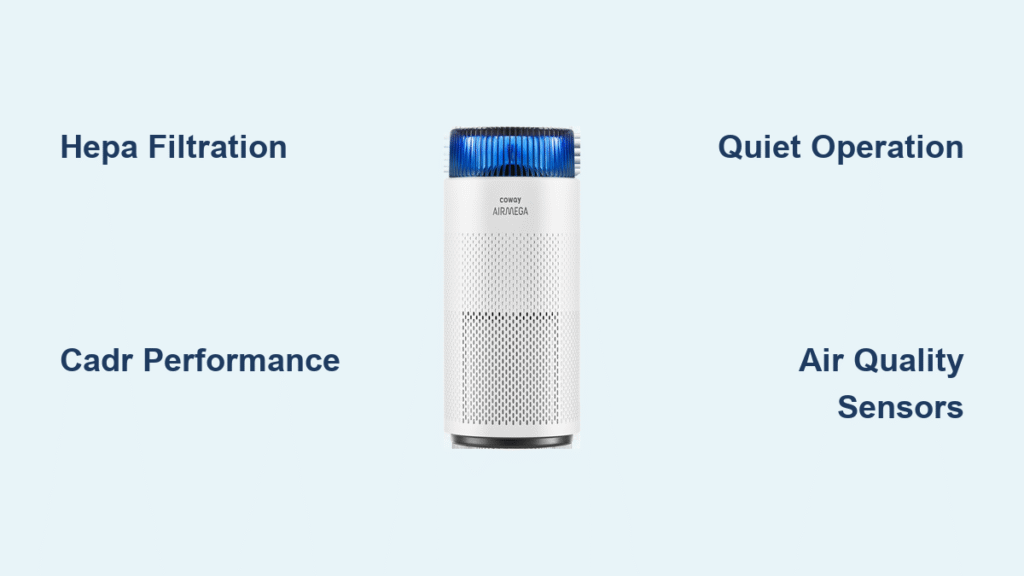
Effective air purification systems utilize multiple filtration stages to address various types of indoor pollutants. The foundation of most premium systems is a True HEPA filter, which captures microscopic particles that standard filters miss. These systems work by drawing air through progressively finer filters that trap:
- Larger visible particles like dust and pet hair in the pre-filter stage
- Microscopic allergens including pollen and mold spores in the main filtration stage
- Odors and chemical vapors through activated carbon components
- Ultrafine particles that can penetrate deep into lung tissue
When properly maintained, these filtration systems continuously cycle the air in your living space, gradually reducing the concentration of airborne contaminants that can trigger health issues.
Respiratory Health Improvements for Sensitive Individuals
For those with respiratory conditions, clean indoor air can make a meaningful difference in daily comfort. Quality air purification systems help create environments where airborne triggers for asthma and allergy symptoms are significantly reduced. The consistent removal of irritants allows sensitive individuals to breathe easier, potentially reducing the frequency of symptom flare-ups.
Many users report noticeable improvements in respiratory comfort after incorporating an air purifier into their living spaces, particularly in bedrooms where they spend extended periods. The continuous operation of these systems helps maintain cleaner air throughout the night, supporting better sleep quality and morning wellness.
Protection Against Airborne Particles
While no residential air purifier can guarantee complete protection against specific pathogens, quality systems effectively capture many airborne particles that carry viruses and bacteria. The mechanical filtration process physically traps these particles within the filter media, removing them from circulation in your living space.
This particle removal contributes to a cleaner overall environment, potentially reducing the transmission of common respiratory illnesses within households. Regular filter maintenance ensures the system continues to operate at peak effectiveness for particle capture.
Performance Features That Matter

Understanding Clean Air Delivery Rates
When evaluating air purifiers, the Clean Air Delivery Rate (CADR) provides an important benchmark for performance. This measurement indicates how quickly a unit can deliver filtered air for specific particle types. Higher CADR values generally correspond to faster air cleaning in appropriately sized spaces.
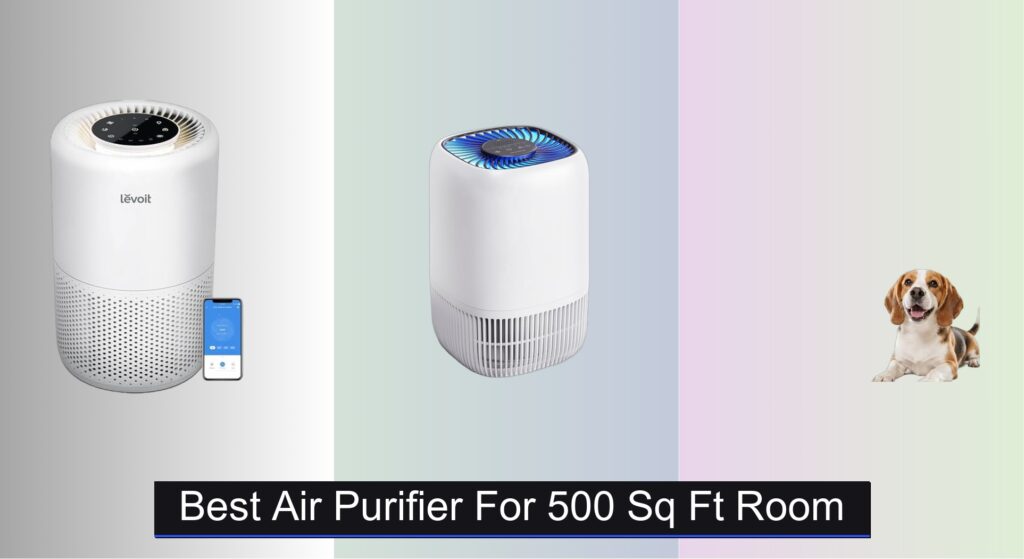
Selecting a unit with adequate CADR for your room size ensures the system can effectively process the air volume in your space within a reasonable timeframe. Proper sizing prevents the common mistake of using an underpowered unit that cannot keep up with the air volume in larger rooms.
Energy Efficiency Considerations
Modern air purifiers incorporate energy-saving technologies that allow for continuous operation without significant impact on electricity bills. Look for units with energy certifications that verify their efficiency claims. Many quality systems feature multiple operating modes, including low-power settings designed for overnight use that maintain air quality while minimizing energy consumption.
The ability to run these systems continuously is crucial for maintaining consistent air quality, as stopping operation allows pollutants to accumulate again. Energy-efficient models make this continuous operation practical from both an environmental and cost perspective.
Noise Level Management
Quiet operation is essential for air purifiers, especially those intended for bedrooms or living areas. Advanced models incorporate noise-reduction technologies that allow effective air cleaning without disruptive sounds. Many units offer specialized sleep modes that reduce both fan speed and indicator light brightness for minimal nighttime disturbance.
The best systems balance effective air movement with quiet operation, ensuring the unit can maintain air quality without becoming a source of annoyance or sleep disruption in your home.
User Experience Advantages
Air Quality Monitoring Systems
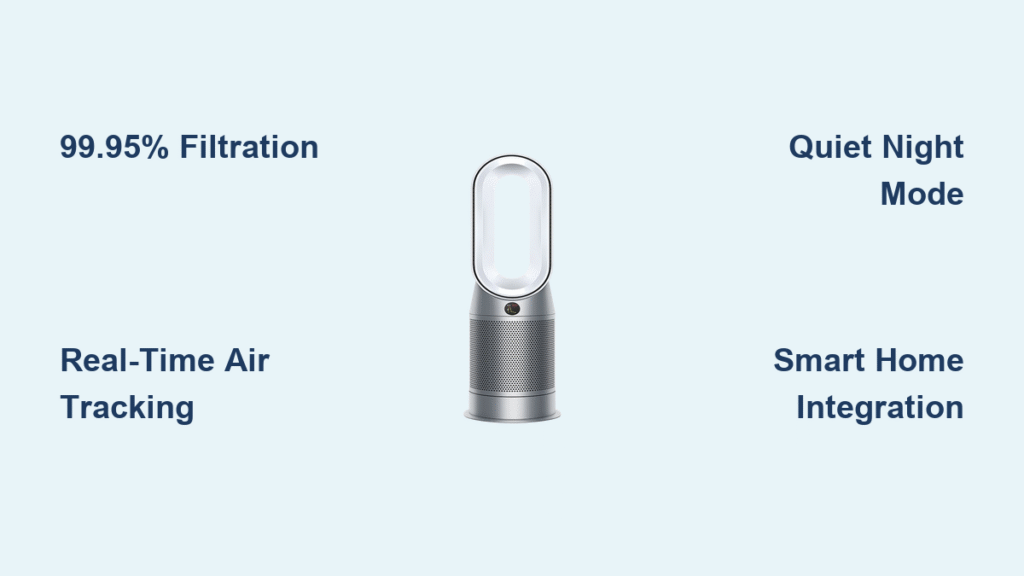
Many modern air purifiers include sensors that detect airborne particle levels and adjust operation accordingly. These monitoring systems provide visual feedback about your indoor air quality, helping you understand when pollution levels rise and how effectively your unit is working.
The real-time feedback from these systems allows for more informed decisions about ventilation and air cleaning needs in your home, creating greater awareness of your indoor environment.
Smart Features for Convenience
Connectivity features in newer air purifier models offer enhanced control and monitoring capabilities. Remote operation through smartphone applications allows you to manage your air quality even when away from home. Scheduling functions enable automatic operation during high-pollution periods, while filter replacement notifications help maintain optimal performance.
These convenience features reduce the maintenance burden and help ensure consistent air quality without requiring constant user attention.
Maintenance and Filter Management
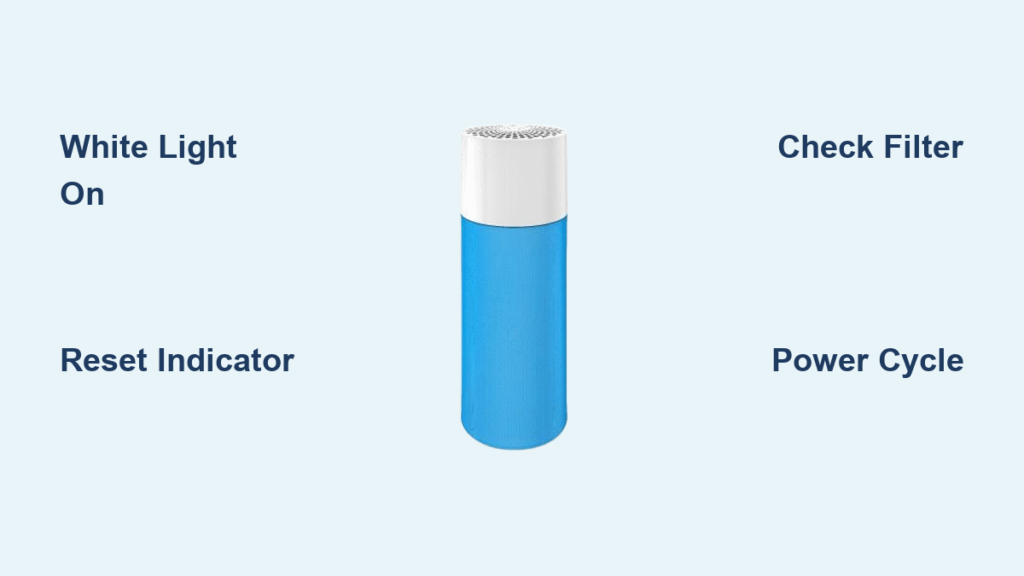
Effective air purifiers incorporate user-friendly maintenance systems that simplify the ownership experience. Clear filter replacement indicators prevent guesswork about when maintenance is needed, while thoughtful design makes the replacement process straightforward.
Regular maintenance is crucial for sustained performance, and systems designed with user convenience in mind encourage proper upkeep, ensuring the unit continues delivering benefits over its lifespan.
Value Assessment

Initial Investment Versus Long-Term Benefits
When evaluating air purifiers, consider both the upfront cost and the long-term value proposition. Quality units represent an investment in your indoor environment that can deliver benefits for several years with proper maintenance. While premium models may carry higher initial costs, their durability and effectiveness often justify the investment.
Consider how the potential health benefits and improved quality of life factor into your decision, as these intangible benefits can significantly outweigh the financial investment for many households.
Operating Cost Analysis
Factor in ongoing expenses like filter replacements and electricity usage when calculating total ownership costs. Many quality air purifiers operate efficiently enough that their running costs remain modest even with continuous use. Compare these costs against potential reductions in healthcare expenses or improved well-being when evaluating overall value.
Room-Specific Benefits
Different areas of your home may have unique air quality challenges. Bedrooms benefit from quiet operation and overnight air cleaning, while kitchens may require stronger odor control. Living areas with pets need enhanced dander filtration, and home offices might prioritize minimal noise disruption.
Selecting units appropriate for each space’s specific needs ensures you maximize the benefits throughout your home rather than taking a one-size-fits-all approach that may not address particular challenges effectively.
Implementation Strategies
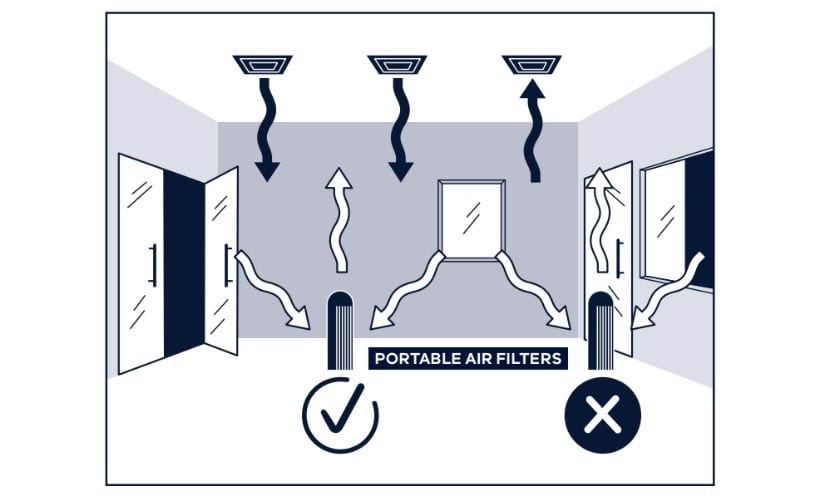
Optimal Placement Guidelines
Proper positioning significantly impacts an air purifier’s effectiveness. Place units where they can draw in contaminated air and circulate clean air efficiently throughout the space. Avoid corners or locations blocked by furniture, and maintain adequate clearance around the unit for optimal airflow.
Consider placing units near common pollution sources like pet areas or kitchen entrances, while ensuring they’re positioned to distribute clean air where people spend the most time.
Usage Patterns for Maximum Benefit
Continuous operation delivers the most consistent air quality improvements, as stopping the unit allows pollutants to accumulate again. Many users find value in running units at lower speeds most of the time, with periodic higher-speed cycles during known pollution events like cooking or high pollen days.
Tailor your usage patterns to your specific household’s rhythms and pollution sources for the most effective results.
Maintenance Best Practices
Regular maintenance ensures your air purifier continues delivering benefits over time. Clean pre-filters according to the manufacturer’s recommendations, replace main filters before they become saturated, and keep the unit free from dust buildup that could impede performance.
Establishing a maintenance routine helps prevent the common issue of declining performance due to neglected upkeep, ensuring your investment continues to deliver value.
Final Considerations
When evaluating air purification systems, focus on models that demonstrate genuine performance in independent testing rather than marketing claims alone. The most valuable units provide transparent specifications, appropriate sizing for your needs, and features that match your household’s specific air quality challenges.
Quality air purification represents an investment in your indoor environment that can deliver noticeable benefits for respiratory health and overall comfort. By understanding the genuine capabilities of these systems and implementing them effectively in your home, you can create cleaner, healthier living spaces that support your well-being day after day.
Remember that air purifiers work best as part of a comprehensive approach to indoor air quality that includes source control, adequate ventilation, and regular cleaning practices. Combining these strategies creates the most effective defense against indoor air pollutants, helping you breathe easier in the spaces where you spend most of your time.