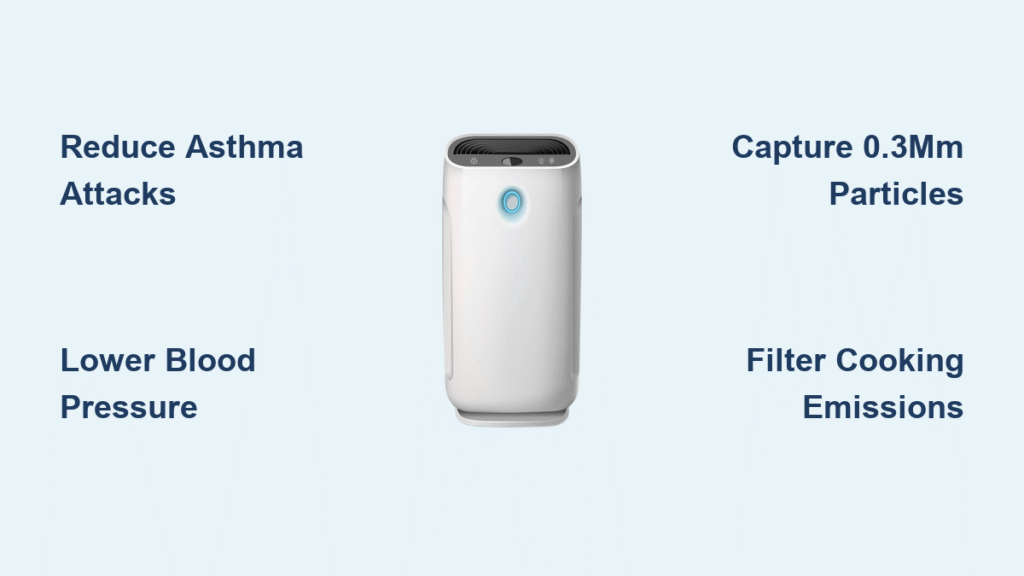
Every breath you take contains thousands of microscopic particles that could be triggering health problems you don’t even realize. With 10,000 liters of air passing through your lungs daily to extract just 420 liters of oxygen, the quality of that air directly impacts your long-term health trajectory. The World Health Organization reports that 7 million deaths annually are attributed to air pollution exposure, making cleaner indoor air not just desirable but essential for survival.
Air purifiers deliver measurable health benefits that go far beyond simple air freshening. Scientific evidence confirms these devices can reduce asthma symptoms by 50%, lower blood pressure within two days, and capture 95% of dangerous indoor pollutants. This guide reveals exactly how air purifiers transform your health by eliminating the invisible threats in your home air—backed by rigorous clinical studies and medical guidelines.
Stop Nighttime Asthma Attacks with 50% PM Reduction in Bedrooms
Reduce Pediatric Asthma Symptoms by 69% Within Weeks
Your child’s wheezing at night isn’t just disruptive—it’s a sign of dangerous air quality. Research tracking 126 low-income households with asthmatic children demonstrated a 50% average reduction in particulate matter levels in children’s bedrooms after air purifier installation. The Du et al. study documented even more impressive results, showing 69-80% average reduction in PM levels across multiple settings where families actually live and sleep.
You’ll notice improvements faster than you might expect. The Pedroletti study found that directing cooled HEPA-filtered air specifically to a child’s sleep breathing zone improved quality of life scores within just two weeks. For parents listening to their child struggle through the night, this rapid relief makes air purifiers one of the most effective interventions available.
Eliminate 95% of Harmful 1.0μm Allergens Triggering Indian Asthma Cases
India’s respiratory crisis demands targeted solutions. Childhood asthma prevalence has skyrocketed from 9% in 1979 to 25.5% in 2009, with 10-15% of children aged 5-11 now affected. The INSEARCH study revealed a staggering national burden of 17.23 million asthma cases and 14.84 million chronic bronchitis cases.
Van der Heide’s allergen research provides the solution: HEPA systems capture 70% of dangerous 0.3μm particles while achieving 95% efficiency for 1.0μm particles—the exact size range of common indoor allergens. When Sulser tested 36 asthmatic children sensitized to cats and dogs, HEPA filtration delivered significant reductions in nocturnal symptoms like stuffy nose after just weeks of use. For Indian families, this means relief from the unique pollution profile that includes cooking emissions, mosquito coils, and festival firecrackers.
Lower Blood Pressure 7.9 mmHg with 48 Hours of Air Purifier Use
Achieve 8.1% Better Microvascular Function by Filtering Toxic Metals
Your cardiovascular system responds to cleaner air faster than you might believe possible. Brauner’s study with 21 non-smoking elderly couples showed remarkable improvements after merely 48 hours of particle-filtered air. Participants experienced an 8.1% improvement in microvascular function when comparing filtered environments (2,533-4,058 particles/cm³) to non-filtered spaces (7,718-12,988 particles/cm³).
The mechanism is scientifically proven: reduced exposure to harmful metals like iron, potassium, copper, zinc, arsenic, and lead directly correlates with improved vascular health. While medication might take weeks to show similar effects, air purifiers deliver these cardiovascular benefits in less time than it takes to complete a weekend.
Reduce C-Reactive Protein by 32.6% to Combat Inflammation
Inflammation is the silent killer behind many chronic conditions, but air purifiers offer a powerful defense. Allen’s woodsmoke study with 45 healthy adults found that air purifiers delivering 60% reduction in indoor fine particle concentrations resulted in a 32.6% decrease in C-reactive protein—a key inflammation marker. The same study documented a 9.4% increase in reactive hyperemia index, indicating significantly improved blood vessel function.
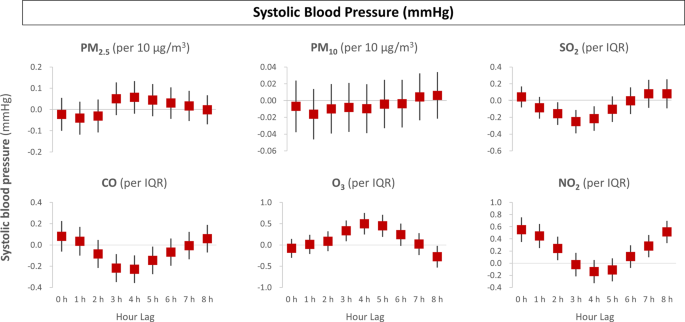
Weichenthal’s electrostatic filter study confirmed these dramatic cardiovascular improvements with 37 residents from 20 homes showing a 7.9 mmHg decrease in systolic blood pressure and 4.5 mmHg decrease in diastolic blood pressure. These aren’t marginal improvements—they’re clinically significant changes that rival some pharmaceutical interventions.
Eliminate 70% of Dangerous 0.3μm Particles from Indian Indoor Air
Neutralize Diwali Firecracker Pollution and Cooking Emissions
Indian households face unique pollution challenges requiring specialized filtration. Your home air contains PM10 particles (<10μm) that enter your respiratory system, PM2.5 (<2.5μm) that reach deep into your alveoli, and PM0.1 (<0.1μm) ultrafine particles that enter systemic circulation. During Diwali, firecracker pollution can spike these levels to dangerous heights, while daily cooking emissions from biomass fuels contribute to chronic exposure.
Air purifiers with multilayer filtration systems specifically target these Indian-specific pollutants. The prefilter removes coarse cooking particles, activated carbon absorbs toxic gases from mosquito coils and incense, while HEPA filtration captures the microscopic particles that traditional cleaning misses. Cross-sectional studies from Indian metros consistently demonstrate correlation between these indoor pollutants and respiratory/cardiovascular health deterioration—problems that proper filtration directly addresses.
Destroy Disease-Carrying Droplet Nuclei (1-5μm) in Your Home
Most people don’t realize their home air contains infectious threats invisible to the naked eye. Air purifiers eliminate biological contaminants that standard cleaning methods miss, including droplet nuclei (1-5μm particles) carrying tuberculosis, influenza, chicken pox, measles, and herpes zoster. These pathogens circulate through your home long after an infected person has left the room.
HEPA filtration captures 99.97% of particles ≥0.3μm, making modern air purifiers essential protection against airborne disease transmission. The antibacterial filter layer in comprehensive systems provides additional pathogen elimination, creating a safer environment for your entire household—especially important during flu season or pandemic threats.
Choose Medical-Grade HEPA Filters That Capture 9,997 of 10,000 Particles

Combine Carbon Filters to Absorb Mosquito Coil and Incense Toxins
Not all air purifiers deliver equal protection. True HEPA filters—the gold standard—must meet strict specifications: minimum 99.97% efficiency for particles ≥0.3μm, originally developed for hospital environments. This means 9,997 particles captured per 10,000 particles of 0.3μm passing through the filter.
For Indian households specifically, effective air purifiers must employ comprehensive multilayer filtration: a prefilter for coarse particles, activated carbon to absorb odors and volatile organic compounds from mosquito coils and incense, an antibacterial filter to eliminate pathogens, and a genuine HEPA filter for microscopic particle capture. This layered approach ensures protection against the full spectrum of indoor air contaminants unique to Indian homes.
Follow British Thoracic Society’s Asthma Management Protocol
Prioritize Air Purifiers for Children Facing 10-15% Asthma Prevalence
Major health organizations have issued clear guidance you can trust. The British Thoracic Society specifically recommends air filters for pet allergen and other allergen removal in their official British Guideline on Asthma Management. The WHO Guidelines for Indoor Air Quality emphasize indoor air quality as an essential determinant of healthy life and well-being—making air purifiers not optional but fundamental to health maintenance.
Certain groups benefit most dramatically from air purifier use: children with developing respiratory systems, the elderly with increased vulnerability, women due to higher home exposure time, individuals with pre-existing respiratory conditions, and low-income households facing higher indoor pollutant exposure. With India’s childhood asthma prevalence at 10-15% for children aged 5-11, these devices represent critical protection for your family’s most vulnerable members.
Track Your Air Quality Improvements Within 2 Weeks
Recognize Early Signs of Respiratory and Cardiovascular Benefits
You don’t need expensive equipment to notice the benefits of air purifier use. Clinical studies establish clear timelines for improvement: respiratory symptom relief typically appears within 2-10 weeks, cardiovascular improvements manifest within 48 hours, and measurable PM reduction occurs immediately.
Track these specific improvements in your household:
– Reduced nighttime coughing and wheezing
– Fewer allergy symptoms like stuffy nose
– Better sleep quality and morning energy
– Measurable decreases in blood pressure readings
– Less frequent need for rescue inhalers
The Pedroletti study demonstrated quality of life improvements within the first two weeks—changes you’ll notice before you see dramatic reductions in your air quality monitor readings.
Key Takeaway: Air purifiers deliver scientifically proven health benefits that begin within hours and accumulate over time. From reducing childhood asthma attacks by 50% to lowering blood pressure 7.9 mmHg in just 48 hours, these devices transform invisible air quality into visible health improvements. Start with your bedroom and children’s rooms, choose genuine HEPA filtration with activated carbon for Indian-specific pollutants, and track your specific health markers. With 7 million annual deaths attributed to air pollution globally, cleaner indoor air isn’t just beneficial—it’s essential for your family’s long-term health.