Your air purifier sits in the corner, quietly humming—or does it? The question keeping homeowners awake isn’t which model to buy, but rather how often to run air purifier units for maximum effectiveness without skyrocketing energy bills. You’ve invested in cleaner air, but without clear guidance, you’re left guessing whether 24/7 operation is necessary or if strategic scheduling works just as well.
The truth is, there’s no one-size-fits-all answer. Your optimal runtime depends on factors ranging from room size to local air quality, yet most manufacturers provide frustratingly vague recommendations. This guide cuts through the confusion with practical frameworks you can apply today, helping you balance air quality goals with budget and noise concerns.
Calculating Your Minimum Air Purifier Runtime
Industry-Recommended Daily Operation Hours
Air quality specialists consistently recommend running your unit for a minimum of 12 hours each day to maintain baseline air quality in typical living conditions. This standard applies to spaces between 150-300 square feet with average pollution levels. However, this represents the absolute minimum—not the ideal—for effective air cleaning.
Urban dwellers and those experiencing seasonal allergy challenges need significantly more runtime. During high pollen seasons or in cities with elevated pollution, extending your air purifier schedule to 18-20 hours daily becomes essential. Consider your air purifier like your home’s HVAC system—brief intermittent operation won’t maintain consistent air quality any more than short heating bursts maintain comfortable temperatures.
Air Changes Per Hour Requirements by Room
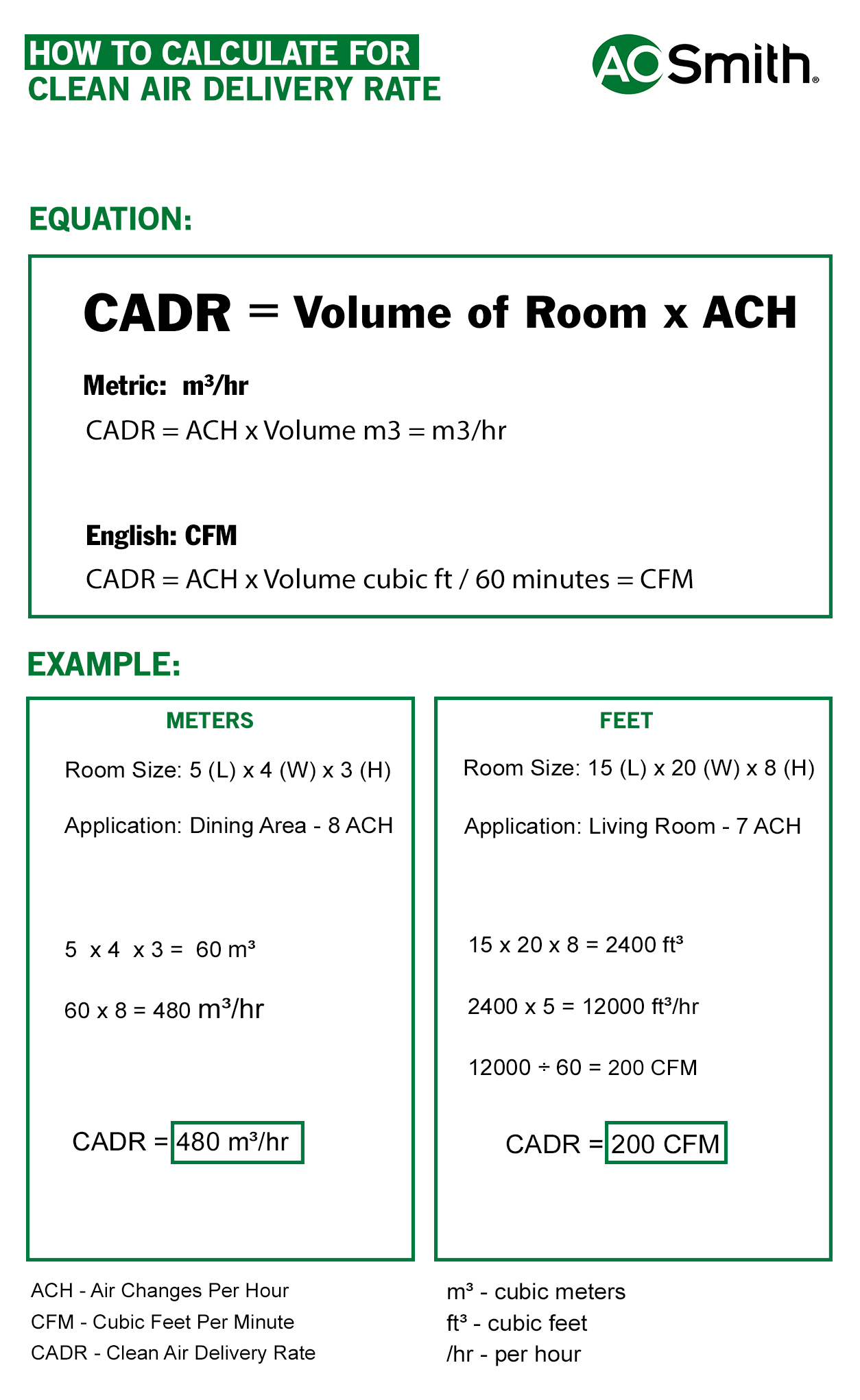
Your specific runtime needs directly correlate to Air Changes Per Hour (ACH) requirements for different spaces. Bedrooms demand 5-6 ACH during sleep hours for optimal rest quality, while living areas need 3-4 ACH during periods of occupancy. Calculate your exact runtime needs with this simple formula:
Required runtime = (ACH target × room volume) ÷ purifier CADR rating
For example, a 200 sq ft bedroom with standard 8-foot ceilings contains approximately 1,600 cubic feet of air. To achieve the recommended 5 ACH, your purifier must process 8,000 cubic feet hourly. With a CADR rating of 200 CFM, you’ll need your unit running for 40 minutes each hour—or roughly 16 hours daily—to maintain consistently clean air while you sleep.
Critical Factors That Determine Your Daily Runtime
Room Size Impact on Purifier Scheduling
The square footage of your space dramatically affects how often to run air purifier systems. Small rooms under 150 sq ft achieve target air changes faster, often requiring just 8-12 hours daily for maintenance cleaning. Medium-sized spaces (150-400 sq ft) represent the standard use case needing 12-18 hours of daily operation. Large rooms exceeding 400 sq ft may require continuous operation on lower speeds or strategic high-speed bursts throughout the day.
Room Size Runtime Reference Guide
– 100 sq ft spaces: 6-8 hours at medium speed
– 250 sq ft areas: 12-15 hours with speed adjustments
– 500 sq ft rooms: 18-24 hours (consider multiple units)
Pollution Source Intensity Adjustments
Your local environment dramatically shifts how often to run air purifier units. Homes near busy roads or construction sites need 30-50% more runtime than suburban locations with cleaner outdoor air. During wildfire events, continuous operation becomes essential until air quality indices drop below 100.
Adjust your schedule based on these environmental triggers:
– High pollen days: Add 4-6 hours minimum daily runtime
– Construction nearby: Increase operation time by 25-40%
– Pet shedding seasons: Boost runtime 2-3 hours daily
– Post-renovation periods: Run 24/7 for 3-7 days
Seasonal Air Purifier Scheduling Strategies
Summer typically demands 20-30% more runtime due to increased outdoor pollution and windows left open. Winter may allow reduced hours if windows stay closed, but heating systems recirculating dust can offset these potential savings.
Seasonal Runtime Guide
– Spring: 16-20 hours daily (peak pollen season)
– Summer: 18-22 hours daily (ozone and wildfire risks)
– Fall: 12-16 hours daily (moderate conditions)
– Winter: 10-14 hours daily (windows closed but heating system concerns)
Smart Scheduling Techniques for Maximum Efficiency
Strategic Timing Windows for Daily Operation
Move beyond simple on/off scheduling by implementing strategic timing windows that maximize effectiveness while minimizing costs. Run your purifier at highest speed during unoccupied hours (like 10 PM – 6 AM for bedrooms) to pre-clean air before you enter the space.
Sample optimal daily schedule:
– 6-8 AM: High speed (morning allergen peak)
– 8 AM-6 PM: Low-medium speed (variable occupancy)
– 6-10 PM: Medium speed (evening activities)
– 10 PM-6 AM: Low speed (sleep mode)
Occupancy-Based Runtime Adjustments
Empty homes don’t need continuous air cleaning. Implement 2-3 hour pre-arrival cycles when returning from work or vacation. This approach can reduce daily runtime by 30-40% without sacrificing air quality during occupied periods.
Pro tip: Use smart plugs with scheduling features to automate these cycles. Set purifiers to high speed 90 minutes before typical arrival times, then maintain low-medium speeds during occupancy periods for optimal efficiency.
Filter Condition Impact on Runtime Requirements
Dirty filters reduce efficiency, requiring longer runtimes to achieve the same air cleaning results. Check filters monthly and adjust schedules accordingly. A clogged filter can increase required runtime by 25-50% while simultaneously consuming more energy.
Adjust runtime based on filter condition:
– New filter: Follow standard runtime schedule
– 50% clogged: Increase runtime 20-30%
– 75% clogged: Increase runtime 40-60%
– Replace immediately: Return to standard runtime
Energy Efficiency Considerations for Continuous Operation
Power Consumption Across Speed Settings
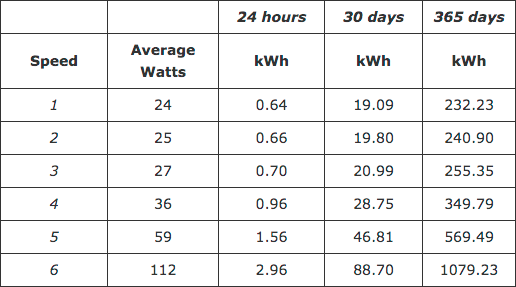
Most air purifiers consume between 50-200 watts depending on size and operating speed. Continuous operation at 100 watts equals 2.4 kWh daily or approximately $8-12 monthly at average electricity rates.
Speed-based energy consumption guide:
– Low speed: 30-50 watts
– Medium speed: 60-90 watts
– High speed: 120-200 watts
Cost-Benefit Analysis of 24/7 Operation
Running your air purifier continuously costs roughly $96-144 annually but ensures consistent air quality. Strategic scheduling (12-16 hours daily) reduces costs to $48-96 annually while maintaining acceptable air quality for most users.
Break-even analysis: If your home experiences high pollution events more than 3-4 times monthly, continuous operation becomes cost-effective compared to frequent high-speed cycles.
Special Use Case Air Purifier Schedules
Allergy Management Protocols
Allergy sufferers need aggressive scheduling during peak seasons. Implement continuous operation on medium speed plus 2-hour high-speed cycles morning and evening when pollen counts peak.
Peak allergy season schedule:
– March-May: 18-22 hours daily (tree pollen)
– May-July: 16-20 hours daily (grass pollen)
– August-October: 18-22 hours daily (ragweed)
– Year-round: 12-16 hours daily (dust mites, pet dander)
Pet Owner Air Purifier Guidelines
Homes with pets require 15-20% more runtime than pet-free environments. Schedule high-speed cycles during pet activity periods (morning, evening) and maintain low-medium speeds throughout the day.
Pet-specific adjustments:
– Shedding seasons: Increase runtime 3-4 hours daily
– Litter box areas: Continuous operation recommended
– Multiple pets: Consider 24/7 operation on low-medium speeds
Wildfire Smoke Emergency Protocol
During smoke events, continuous operation becomes non-negotiable. Run purifiers on highest tolerable speed 24/7 until air quality indices return to safe levels (below 100 AQI).
Smoke event protocol:
– AQI 101-150: High speed 24/7
– AQI 151-200: Highest speed 24/7 plus seal rooms
– AQI 200+: Maximum speed, stay indoors, limit room access
Quick Decision Framework for Your Home
2-Minute Runtime Assessment Guide
Answer these four questions to determine your optimal schedule:
-
What’s your room size?
– Small (under 150 sq ft): 8-12 hours
– Medium (150-400 sq ft): 12-18 hours
– Large (400+ sq ft): 18-24 hours -
What’s your pollution level?
– Low: Reduce baseline by 25%
– Moderate: Use standard recommendations
– High: Increase baseline by 50% -
What’s your occupancy pattern?
– Continuous occupancy: Use standard runtime
– Intermittent occupancy: Reduce by 30%
– Variable patterns: Implement smart scheduling -
What’s your noise tolerance?
– Low tolerance: 12-16 hours with strategic scheduling
– Medium tolerance: 16-20 hours
– High tolerance: 18-24 hours
Bottom Line: Your Optimal Air Purifier Schedule
Most households achieve excellent air quality with 12-16 hours daily operation using strategic scheduling. Start with this baseline, then adjust based on your specific conditions. Monitor air quality improvements and energy costs over 2-4 weeks to fine-tune your approach.
Remember that consistent moderate operation beats sporadic intensive use. Your lungs—and wallet—will thank you for finding the sweet spot that delivers clean air without waste. Conduct monthly reviews of your schedule based on filter condition, seasonal changes, energy bills, and occupancy patterns to maintain optimal performance throughout the year.