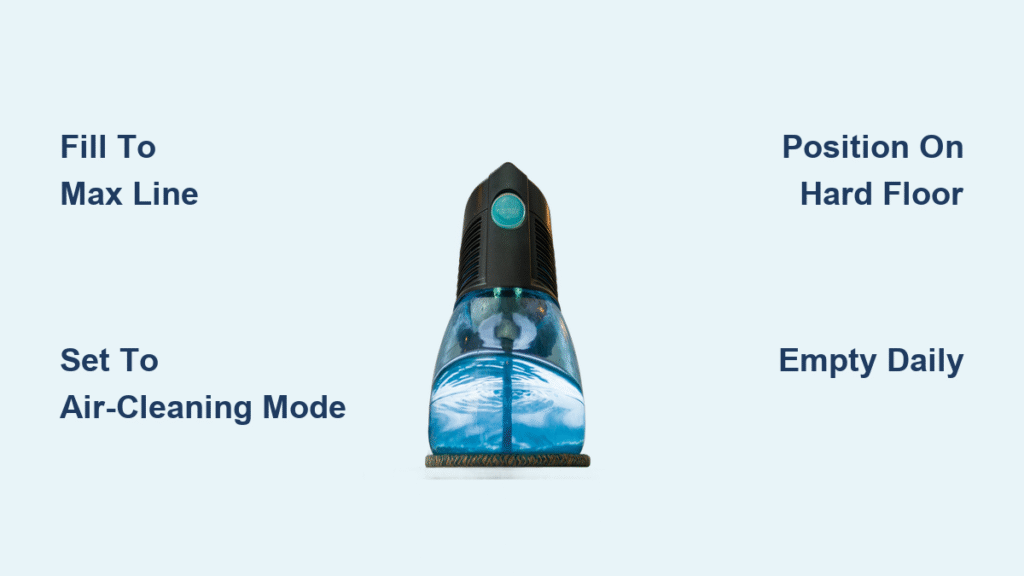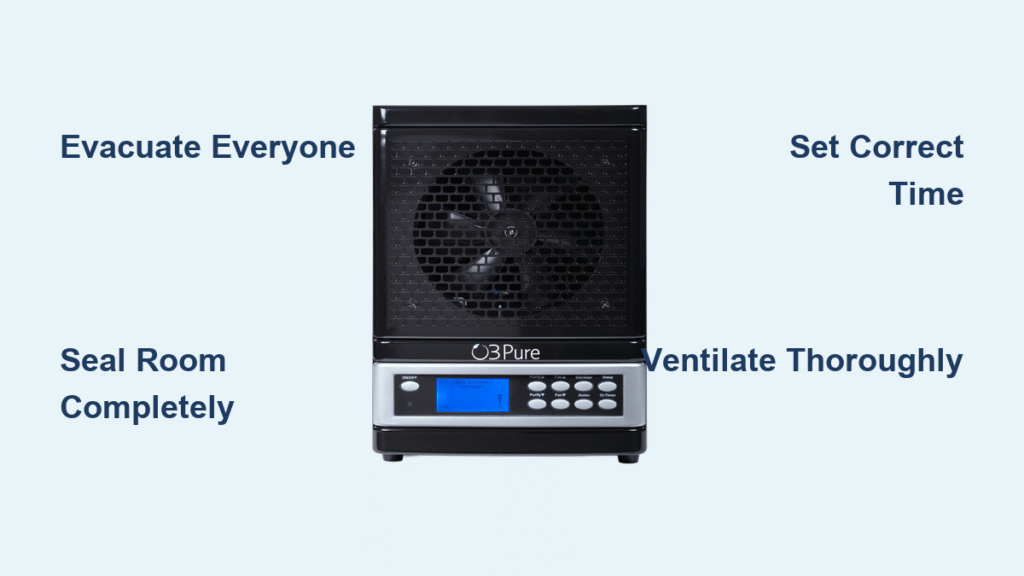
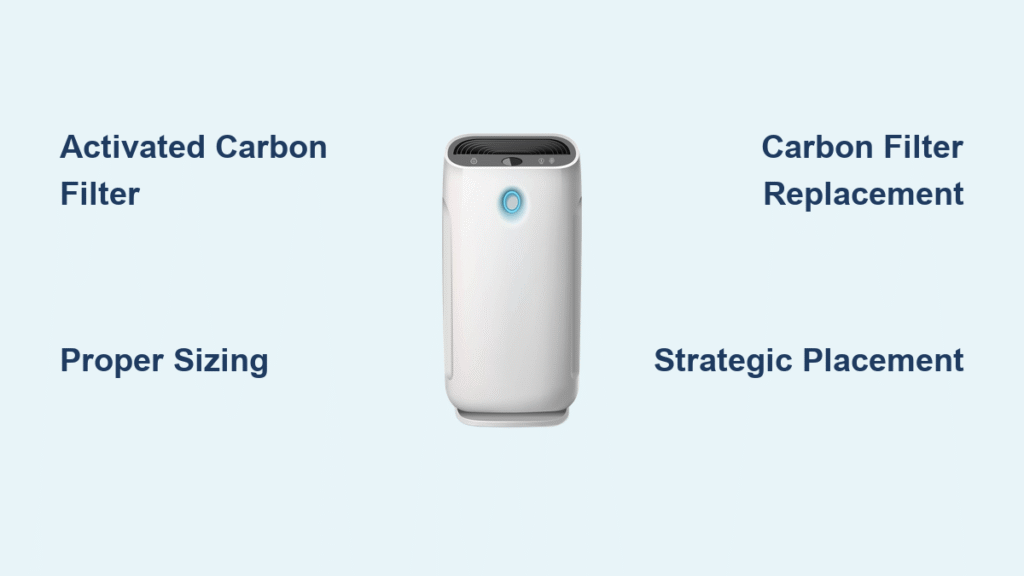
You’ve just finished cooking a delicious curry dinner, but hours later, the pungent aroma still lingers throughout your home. Or perhaps you’ve returned from vacation to find your house overwhelmed by pet odors that seem impossible to eliminate. If you’ve ever wondered, “does an air purifier help with smell,” you’re not alone—millions of homeowners face these everyday odor battles and seek effective solutions.
The reality is more nuanced than a simple yes or no. Air purifiers can significantly reduce many household odors when equipped with the proper technology and used correctly. However, they don’t work as most people expect, and their effectiveness varies dramatically based on the type of odor, your specific unit, and how you use it. Understanding these critical distinctions will save you money and frustration in your quest for fresher air.
Why Your HEPA Filter Fails to Remove Cooking Smells
Your air purifier’s HEPA filter traps 99.97% of particles as small as 0.3 microns, making it excellent for dust and allergens but ineffective for most odors. The critical problem? Most odor-causing compounds exist as gases or particles smaller than 0.3 microns that slip right through HEPA filtration.
The Particle vs. Odor Molecule Distinction
HEPA filters catch the visible particles that carry odors but miss the actual smell molecules. When you burn toast, the HEPA filter captures the visible smoke particles while allowing the volatile organic compounds creating the burnt smell to circulate freely. This explains why many people mistakenly believe their expensive air purifier doesn’t work for smells—it simply lacks the necessary technology.
Critical insight: If your unit only has a HEPA filter without activated carbon, it won’t effectively remove household odors regardless of price or brand.
Activated Carbon Is Your Odor Removal Secret Weapon
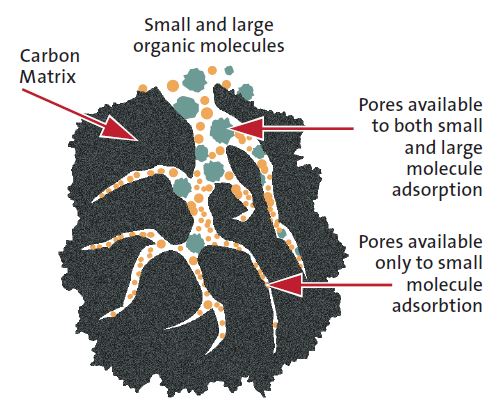
Activated carbon filters contain millions of microscopic pores that create a massive surface area—over 1,000 square meters per gram—to chemically attract and trap odor molecules through adsorption. This process works like a molecular magnet, pulling smelly compounds out of your air and holding them securely.
How Much Carbon You Really Need
Most consumers don’t realize that carbon quantity directly determines odor removal effectiveness. Premium air purifiers contain multiple pounds of activated carbon, while budget models often include mere ounces. This dramatic difference explains why a $500 unit might eliminate kitchen odors within hours while a $100 model barely makes a dent.
Pro tip: When shopping for an odor-fighting air purifier, prioritize carbon weight over flashy features—look for units containing at least 1.5-2 pounds of activated carbon for serious odor problems.
Carbon Filter Lifespan Reality Check
Unlike HEPA filters that gradually lose efficiency, carbon filters work perfectly until they’re nearly saturated, then effectiveness plummets rapidly. Most require replacement every 3-6 months depending on your specific situation:
- Heavy cooking households: Replace every 3 months
- Multiple pet homes: Replace every 4 months
- Occasional use: May last 6+ months
- Smoke exposure: Replace immediately after wildfire season
Kitchen Odors: Where Air Purifiers Shine Brightest
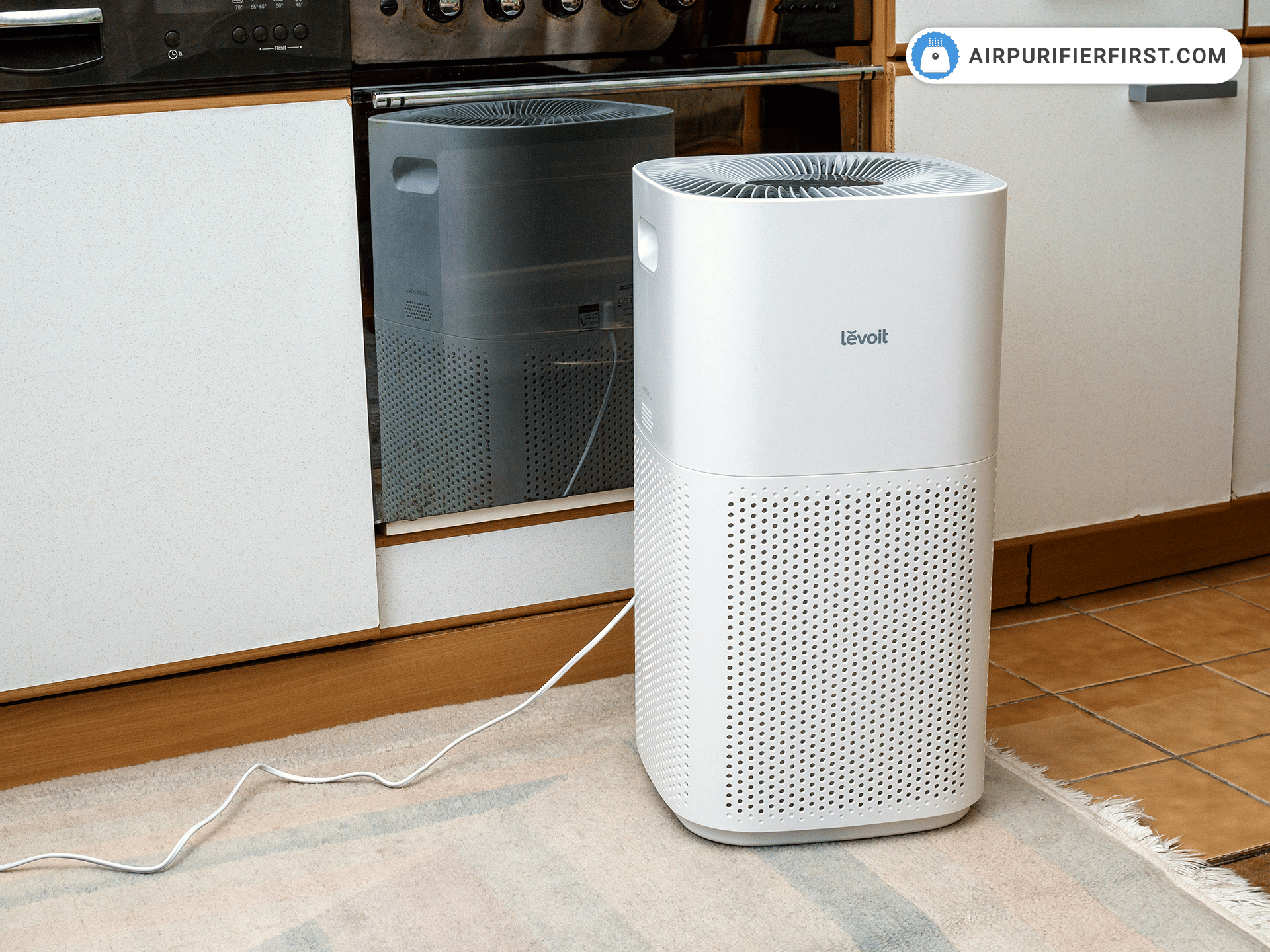
Cooking smells represent the sweet spot for air purifier effectiveness, with studies showing 50-70% odor reduction within 2-4 hours of proper operation. This makes kitchen odor control the most reliable use case for homeowners wondering “does an air purifier help with smell.”
Strategic Placement for Maximum Impact
Position your purifier 3-6 feet from your stove, running it on high during cooking and medium for 2-3 hours afterward. This captures odors at their source before they disperse through fabrics and walls, preventing the dreaded “the whole house smells like fish” scenario. Units placed in adjacent rooms show dramatically reduced effectiveness.
Warning: Never place your air purifier directly above your stove—that’s the job of your range hood. Instead, position it to the side where it can capture escaping odors without heat damage.
Pet Odor Elimination Requires Smart Positioning
Pet smells present unique challenges because they originate from specific sources like litter boxes, pet beds, or accident sites. Your air purifier becomes most effective when positioned to intercept these odors before they spread throughout your home.
Litter Box Odor Control Formula
Place your purifier 3-4 feet from the litter box, running continuously on low speed. This creates an invisible barrier that captures odors at their source. Most users report 30-50% odor reduction in adjacent rooms, with the greatest improvement nearest the litter box.
Key insight: While does an air purifier help with smell from litter boxes? Yes—but it won’t eliminate the need for regular cleaning. It does, however, significantly extend the time between cleanings without noticeable odor.
Smoke Odors Demand Premium Solutions
Tobacco and wildfire smoke create the most challenging odor scenarios due to their complex chemical composition and tiny particle size. These odors contain hundreds of compounds, many smaller than 0.01 microns, requiring premium activated carbon filtration and extended operation times.
Smoke Odor Timeline Reality
Expect 6-12 hours of continuous operation for noticeable smoke odor reduction. Premium units with multiple pounds of activated carbon show the best results, while basic models barely scratch the surface. Even the best air purifier cannot fully eliminate embedded tobacco smoke from walls and carpets—it prevents new smoke from adding to the problem.
Critical limitation: Air purifiers work on airborne odors only. They cannot remove smells already absorbed into fabrics, furniture, or building materials.
Room Size Determines Your Success Rate
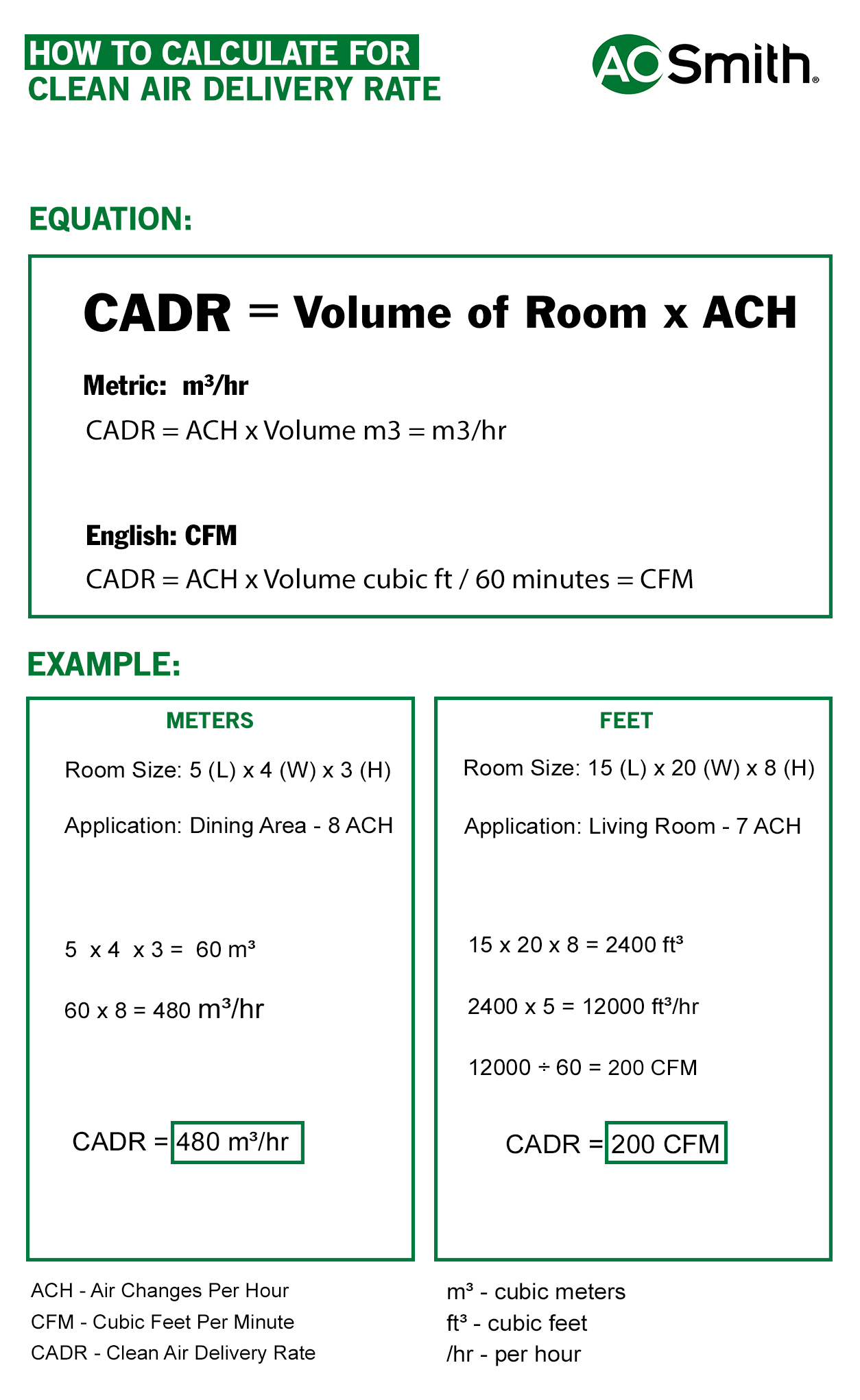
Your air purifier must move enough air to matter. The magic number is 4-6 air changes per hour for effective odor removal, meaning your unit needs to process the entire room’s air volume 4-6 times every hour.
Quick Sizing Guide for Odor Control
Small rooms (100-200 sq ft): Most standard purifiers work effectively
Medium rooms (200-400 sq ft): Choose units with 200+ CADR rating
Large rooms (400+ sq ft): May need multiple units or commercial-grade models
Warning: An undersized unit in a large room shows minimal odor reduction, leading users to incorrectly conclude “air purifiers don’t work for smells.”
Filter Saturation Happens Faster Than You Think
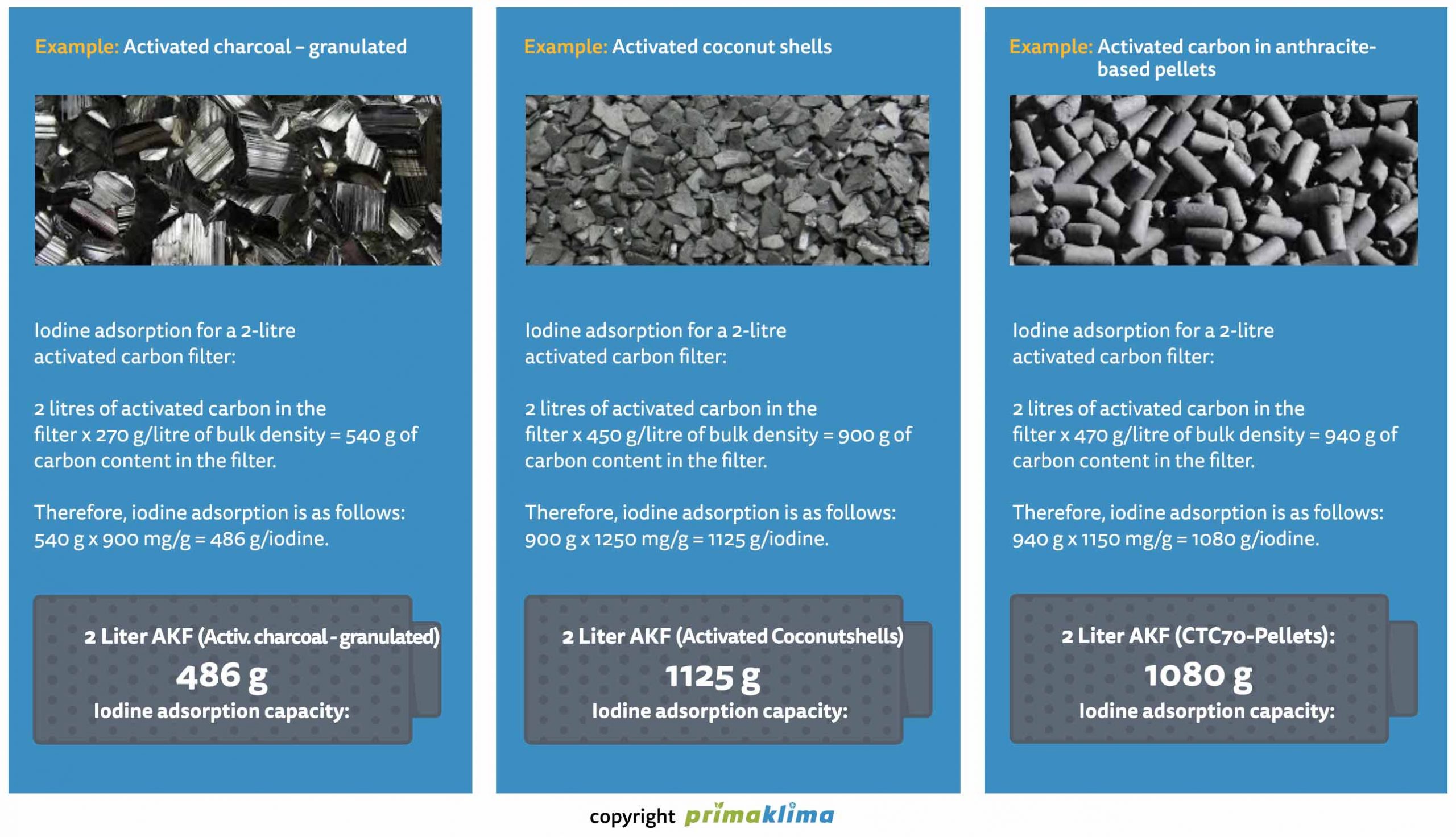
Carbon filters don’t gradually fade—they hit a wall. One day your purifier works beautifully, the next it barely functions. This happens because carbon saturation occurs exponentially: the filter works perfectly until it’s nearly full, then effectiveness drops rapidly.
Warning Signs Your Carbon Filter Needs Replacement
- Reduced odor removal: Smells linger longer than before
- Increased noise: Fan works harder to pull air through clogged filters
- Visible darkening: Carbon filter appears much darker than new
- Time-based: It’s been 3-6 months since last replacement
Pro tip: Mark your calendar when installing new carbon filters. What feels like “just changed it” often means it’s been 8+ months.
Source Control Still Trumps Air Purification
No air purifier can eliminate odors at their source—it only removes what’s already in the air. This fundamental limitation frustrates many users who expect their purifier to solve underlying problems.
When Does an Air Purifier Help with Smell Effectively?
- Kitchen during cooking: Captures odors before they spread
- Pet areas: Manages ongoing odor generation
- Basements: Reduces musty smells from humidity
- Smoke drift: Filters neighbor’s cigarette smoke
When Air Purifiers Fail Miserably
- Active mold problems: Address moisture source first
- Sewage issues: Professional remediation required
- Deep smoke damage: Embedded in walls and furniture
- Rotting food: Remove the source immediately
Maintenance Schedule for Reliable Odor Removal
Consistent maintenance separates effective odor control from expensive decoration. Your filter replacement schedule directly correlates with odor removal capability.
Essential Monthly Tasks
- Vacuum pre-filters to maintain airflow
- Wipe exterior housing to prevent dust re-entry
- Ensure 3+ feet clearance on all sides for proper air circulation
Critical Quarterly Tasks
- Replace carbon filters every 3-6 months
- Clean permanent pre-filters thoroughly
- Inspect for damage to seals and housing
Making Your Air Purifier Work for You
Does an air purifier help with smell? Absolutely—but only when properly specified and maintained. The key lies in matching your specific odor challenges with the right technology and maintaining realistic expectations.
Quality activated carbon filtration, proper sizing for your space, and consistent maintenance create noticeable odor reduction in most scenarios. For cooking smells, pet odors, and general air freshness, a well-chosen purifier delivers impressive results. For deep-seated smoke damage or active mold problems, professional remediation remains the only effective path.
Your nose will tell you when it’s working. When properly configured, you should notice odors dissipate faster and rooms smell fresher even when sources remain present. If you’re not seeing this improvement within days of correct use, check your filter status, unit sizing, or consider whether you’re asking the technology to solve a problem it simply can’t address.