Waking up with a stuffy nose or dry throat? That’s your bedroom air silently crying for help. Millions install air purifiers hoping for relief, then sabotage results by running them for just a few hours. Here’s the hard truth: if you’re not using your bedroom air purifier 24/7, you’re losing the air quality battle while you sleep. Pollutants like dust mites, pet dander, and volatile organic compounds never clock out—they multiply while you dream. The good news? Optimizing how long to run air purifier in bedroom requires no extra cost or effort, just smart scheduling based on your specific needs.
Most people make the critical mistake of treating air purifiers like lamps—turning them off when not “in use.” But clean air isn’t a luxury; it’s a continuous necessity. Running your unit for just 2 hours before bed creates a temporary oasis that vanishes by 3 a.m. as pollutants creep back in. For genuinely restorative sleep and morning clarity, you need a strategy grounded in air science, not guesswork. Let’s fix that starting tonight.
Run Your Bedroom Air Purifier 24/7 for Allergy Relief
Continuous operation is the gold standard for maintaining clinically clean air. Airborne irritants don’t respect your sleep schedule—they reproduce and recirculate the moment your purifier stops. Modern Energy Star units consume only 50 watts (less than a laptop), costing $3–$5 monthly at average electricity rates. That’s cheaper than your daily coffee habit while extending filter life through consistent airflow. Manufacturers engineer these machines for non-stop duty, so 24/7 use won’t shorten its 3–5 year lifespan.
When 24/7 Seems Overkill for Your Bedroom
Budget or noise worries? Set a non-negotiable 12-hour minimum split strategically: 8 hours overnight in your bedroom plus 4 hours in high-traffic living areas. Use your purifier’s built-in timer or a $15 smart plug to automate cycles—no manual intervention needed. This hybrid approach maintains baseline cleanliness while addressing primary exposure zones. Skip this minimum, and pollen or dust mite counts will rebound within 4–6 hours, sabotaging your morning.
Quick Bedroom Air Purge for Low-Sensitivity Sleepers
Healthy adults without pets or allergies can try a 1–2 hour pre-sleep purge on high speed. This rapidly reduces particles before bed but isn’t sustainable—it’s like mopping only half your floor. Pollutant levels will climb steadily through the night as your unit sits idle. Reserve this tactic for guest rooms or occasional use, never for chronic allergy sufferers. You’ll notice the difference when morning congestion returns.
Calculate Your Exact Bedroom Runtime Using ACH
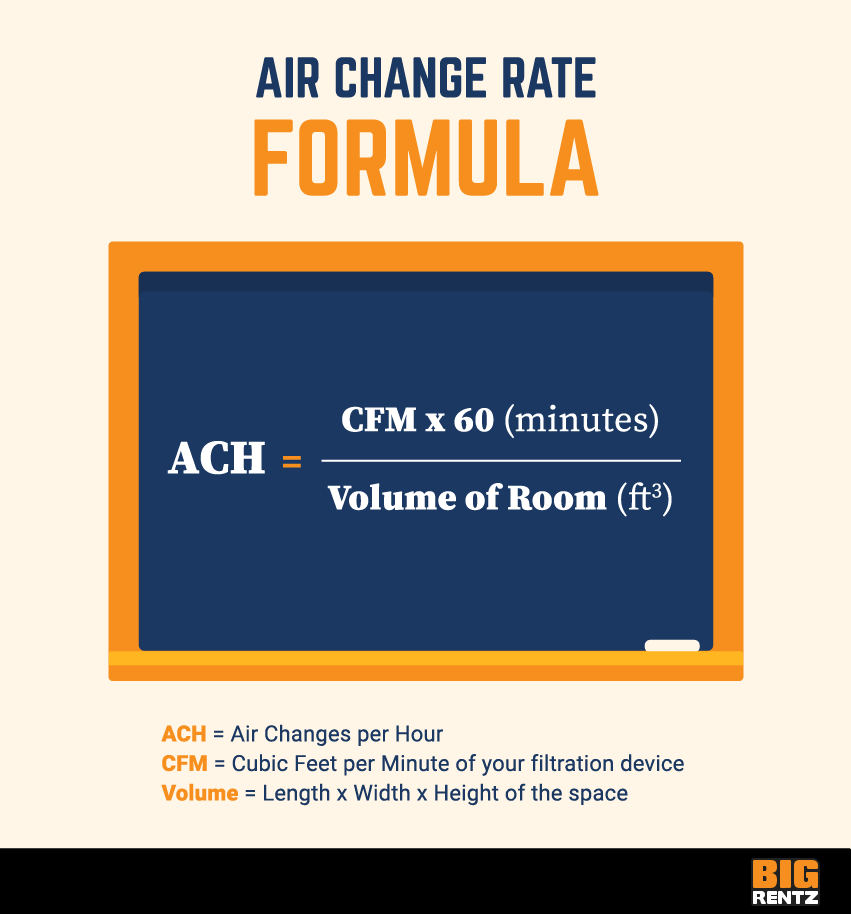
Forget arbitrary hour counts. Your how long to run air purifier in bedroom decision must start with Air Changes per Hour (ACH)—how many times the unit replaces your room’s entire air volume. Allergy sufferers need 4–6 ACH to combat dust mites and pollen; general users require 2–4 ACH. Here’s how to calculate your target:
Instant CADR Formula for Bedroom Sizing
Required CADR (cfm) = (Room Length × Width × Ceiling Height × Target ACH) ÷ 60
Example: 12×14 ft bedroom with 8 ft ceilings = 1,344 ft³. For 5 ACH (allergy protection), you need a purifier with ≥112 CADR.
If your unit meets this CADR, one 30–60 minute high-speed cycle completes a full air change. But to maintain that cleanliness? You’ll need multiple cycles daily. Never assume your current purifier is adequate—check its CADR rating against this calculation.
Critical Pre-Sleep Checklist
- Verify CADR ≥ your calculated requirement (check unit specs or manufacturer website)
- Seal the room by closing windows/doors during runtime—open gaps cut efficiency by 50%+
- Position correctly: 3–5 ft off ground (nightstand height) with 8–12 inches clearance from walls
Match Runtime to Real-Time Outdoor Air Quality
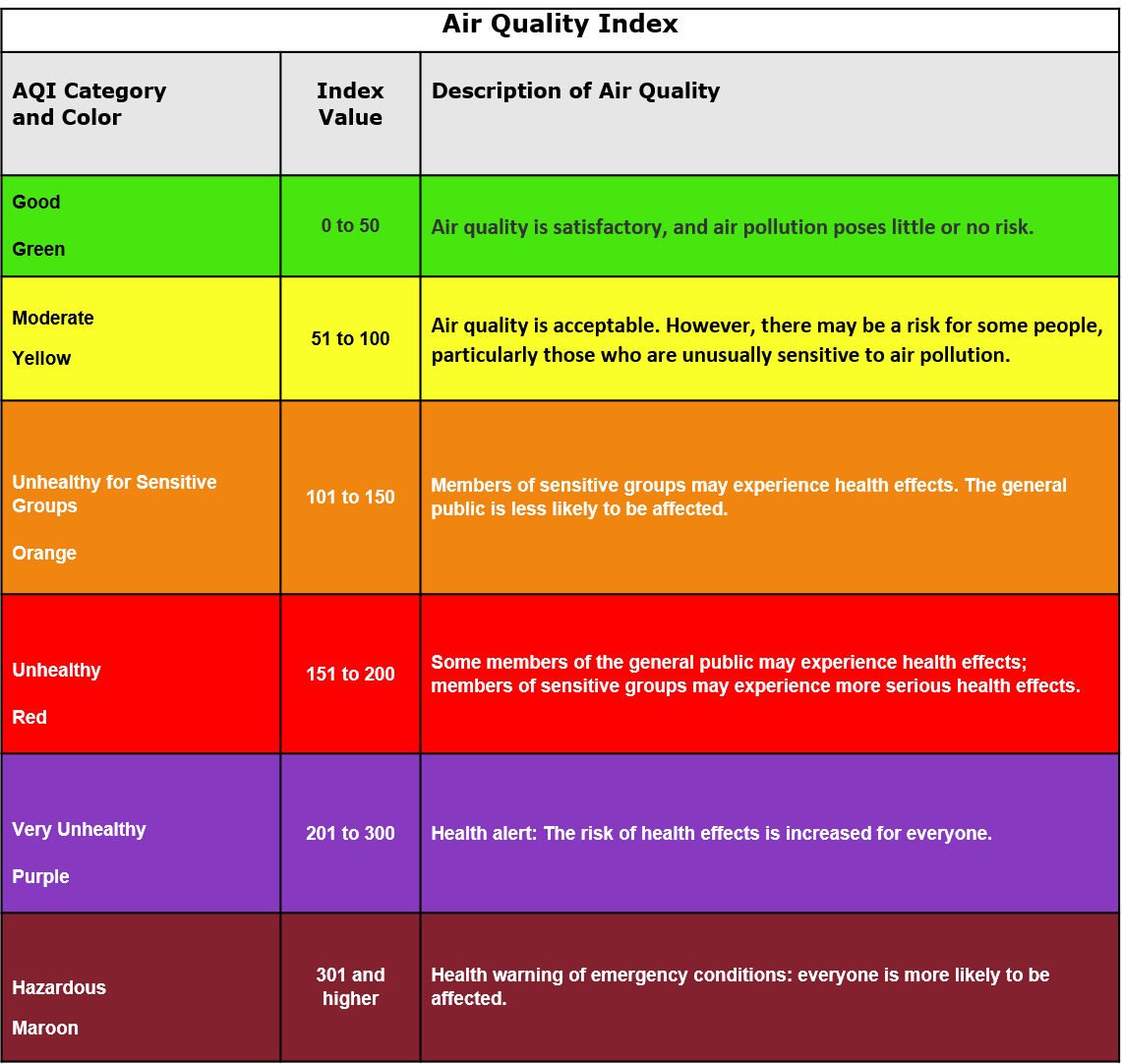
Outdoor pollution infiltrates bedrooms through vents and cracks, making how long to run air purifier in bedroom dynamic—not fixed. Rely on free apps like AirVisual or EPA AirNow for hyperlocal AQI data. Adjust instantly using this proven protocol:
AQI-Driven Runtime Adjustments
| Outdoor AQI | Immediate Action | Why It Matters |
|---|---|---|
| 0–50 (Good) | Stick to 12h minimum | Indoor sources (dust, VOCs) still require cleaning |
| 51–100 (Moderate) | Add 2–4 hours during rush hour | Prevents traffic pollution buildup overnight |
| 101+ (Unhealthy) | Run 24/7 continuously | Seals out hazardous particles like wildfire smoke |
| 201+ (Very Unhealthy) | Seal windows + max fan speed | Critical for asthma sufferers during pollution events |
Pro Air Quality Hack
Create an IFTTT automation linking AirVisual alerts to your smart plug. When AQI exceeds 100, your purifier auto-activates continuous mode—even if you’re at work. This prevents you from sleeping in a pollution trap.
Customize Runtime for Your Health Profile
Your lungs dictate runtime more than square footage. Tailor how long to run air purifier in bedroom using these medically informed thresholds:
Non-Negotiable 24/7 for Respiratory Conditions
Allergy or asthma sufferers must run purifiers continuously. Dust mites reproduce at 4 a.m., pollen peaks at dawn, and pet dander never sleeps. Stopping overnight allows irritants to accumulate to triggering levels by 6 a.m. Same rules apply if recovering from illness or immunocompromised—your air can’t take coffee breaks.
Healthy Adults: The 8+4 Rule
Prioritize 8 consecutive hours while sleeping plus 4 hours elsewhere daily. During high-pollen seasons or after vacuuming (which stirs up dust), bump this to 12–16 hours. Skipping the overnight block guarantees morning congestion—you’re breathing 8 hours of re-circulated pollutants.
Pet Owners: Never Turn It Off
Dander and hair embed in bedding within hours. 24/7 operation prevents “kennel smell” syndrome in bedrooms. Place the unit near your pet’s favorite sleeping spot (not your bed) to capture dander at the source. For heavy shedders, add a carbon pre-filter to neutralize odors.
Slash Energy Costs and Noise Without Sacrificing Clean Air

Fear of high bills or disruptive noise stops many from running purifiers optimally. Modern solutions eliminate both concerns:
Energy vs. Runtime Reality Check
| Factor | 24/7 Impact | Smart Fix |
|---|---|---|
| Electricity | $3–$5/month (50W unit) | Use auto mode—saves 30% vs. constant high speed |
| Filter Life | HEPA lasts 6–12 months | Check monthly; replace when airflow drops 20% |
| Noise | 34–40 dB on low (library-quiet) | Place 3+ ft from bed; rubber mat absorbs vibrations |
Sleep-Optimized Noise Hacks
Engage “sleep mode” after the initial 30-minute high-speed purge. Most users adapt to the gentle hum within days—it becomes white noise that improves sleep quality. If sensitive, position the unit facing away from your pillow to diffuse sound.
Position Your Purifier for Maximum Bedroom Impact
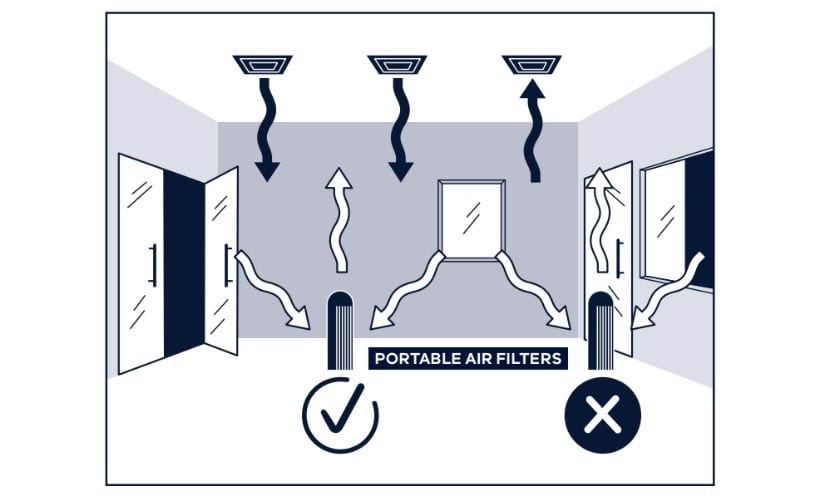
Even perfect runtime fails with bad placement. 80% of users position units incorrectly, trapping clean air in dead zones. Fix this instantly:
Bedroom-Specific Placement Rules
- Height is critical: Elevate to 3–5 ft (nightstand level) to target your breathing zone
- Avoid corners and furniture: Maintain 8–12 inch clearance on all sides for airflow
- Leverage natural currents: Place near doorways or AC vents—but never blow air directly at your face
Deadly Placement Mistakes to Fix Tonight
- ❌ Tucked behind nightstands (blocks intake vents)
- ❌ Sitting on the floor (where dust accumulates)
- ❌ Hidden in closets (creates zero useful airflow)
Automate Your Perfect Bedroom Runtime Schedule
Manual scheduling fails 90% of the time. Let technology handle how long to run air purifier in bedroom with these foolproof systems:
3-Step Timer Setup for Deep Sleep
- Program 2-hour pre-sleep purge on high speed
- Set 8-hour overnight run on auto/sleep mode
- Schedule 4 daytime hours in living areas via smart plug
Most units complete this in under 30 seconds using digital controls. No more forgetting to turn it on!
Smart Plug Power Moves
- Trigger purifier via “Alexa, goodnight” voice command
- Activate geofencing to turn on when you’re 20 minutes from home
- Link to weather apps for automatic runtime boosts during high-pollen days
Your Bedroom Air Purifier Runtime Cheat Sheet
Pin this to your nightstand:
| Your Situation | Minimum Daily Runtime | When AQI >100 |
|---|---|---|
| Allergies/Asthma | 24/7 continuous | Keep 24/7 |
| Pet in Bedroom | 24/7 continuous | Keep 24/7 |
| Healthy Adult | 8h overnight + 4h | Add 4 daytime hours |
| Guest Room | 1–2h before use | Run extra 2–4h |
Bottom line: For genuinely clean bedroom air, run your purifier 24/7 on auto mode—it costs less than leaving a light on. If that feels extreme, commit to 12 hours minimum with the bulk overnight. Pair this with strategic placement and real-time AQI checks, and you’ll wake up breathing deeper within 3 nights. Remember: clean air isn’t a switch you flip—it’s a habit you build. Start tonight, and let your lungs thank you tomorrow.