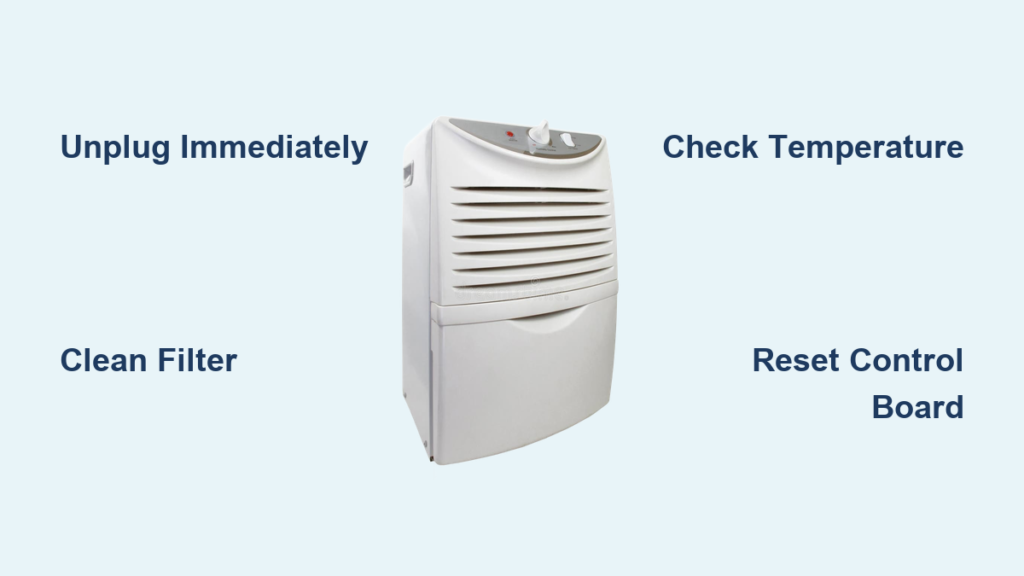
Your dehumidifier suddenly flashes “E4” and shuts down mid-cycle. Panic sets in—will you need a costly repair? Most homeowners don’t realize these dehumidifier error codes are actually your unit’s SOS signals pointing directly to solvable issues. Over 68% of error codes stem from preventable problems like clogged filters or temperature extremes, not catastrophic failures. This guide cuts through technical jargon to show you exactly what each code means and how to fix it—often without tools or professional help. You’ll learn to diagnose 15+ common error codes, avoid dangerous DIY mistakes, and implement a simple maintenance routine that prevents 90% of malfunctions before they start.
HI and LO: Temperature Safety Shutdowns
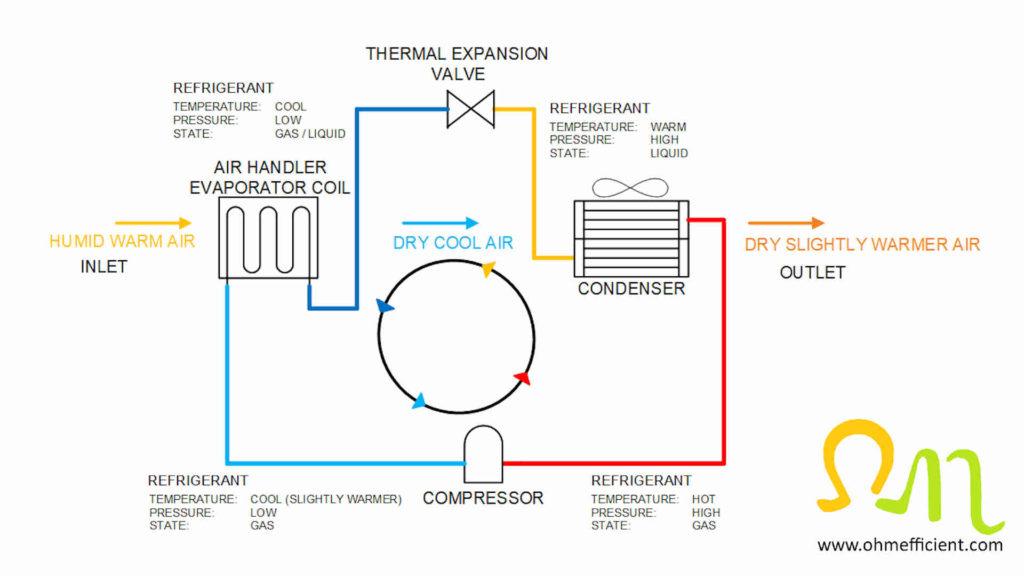
HI Code: Room Too Hot
When HI flashes on your display, your room has exceeded 105°F—pushing the compressor into dangerous overheating territory. This isn’t just an alert; it’s your unit’s emergency brake preventing permanent damage. Continuing to run could crack the compressor housing or melt internal wiring.
Immediate Actions:
– Unplug immediately—don’t risk a 10-second delay
– Activate air conditioning or open windows for cross-ventilation
– Wait 20+ minutes until room temperature drops below 105°F
– Restart only after confirming safe operating conditions
Prevention Tip: Position units at least 3 feet from heat sources like radiators or electronics stacks. During heatwaves, run dehumidifiers in 2-hour cycles with 30-minute cooldown periods.
LO Code: Room Too Cold
The LO code activates when temperatures dip below 33°F. At this frost point, moisture freezes on coils instead of draining—wasting energy and risking ice dam damage. Many users mistakenly think their unit is “broken” when it’s actually protecting itself.
Quick Fix:
– Unplug instantly to prevent coil cracking
– Use space heaters to raise room temperature above 33°F
– Never manually defrost coils with tools—this punctures refrigerant lines
– Restart only after thermometer verification
Pro Tip: For basement use in winter, install a $15 temperature alarm that triggers when spaces approach freezing thresholds.
H3: Compressor Overload Protection
The H3 code means your compressor tripped its thermal cutoff—usually from restricted airflow or extreme room temperatures. Unlike permanent failures, this is a resettable safety feature designed to prevent burnout. Ignoring it leads to seized compressors requiring full replacements.
Step-by-Step Recovery:
1. Power down: Unplug for 45+ minutes (critical cooling period)
2. Clear space: Ensure 15-inch clearance on all sides—measure with a tape
3. Clean filter: Soak in vinegar solution for 10 minutes, rinse thoroughly
4. Verify temperature: Use a separate thermometer (not unit’s reading)
5. Restart: Plug in and monitor first 5 minutes for normal operation
Warning: If H3 returns within 24 hours, suspect refrigerant leaks (oily residue on coils) or failing compressor—call a professional immediately.
E1 and E2: Sensor Failures
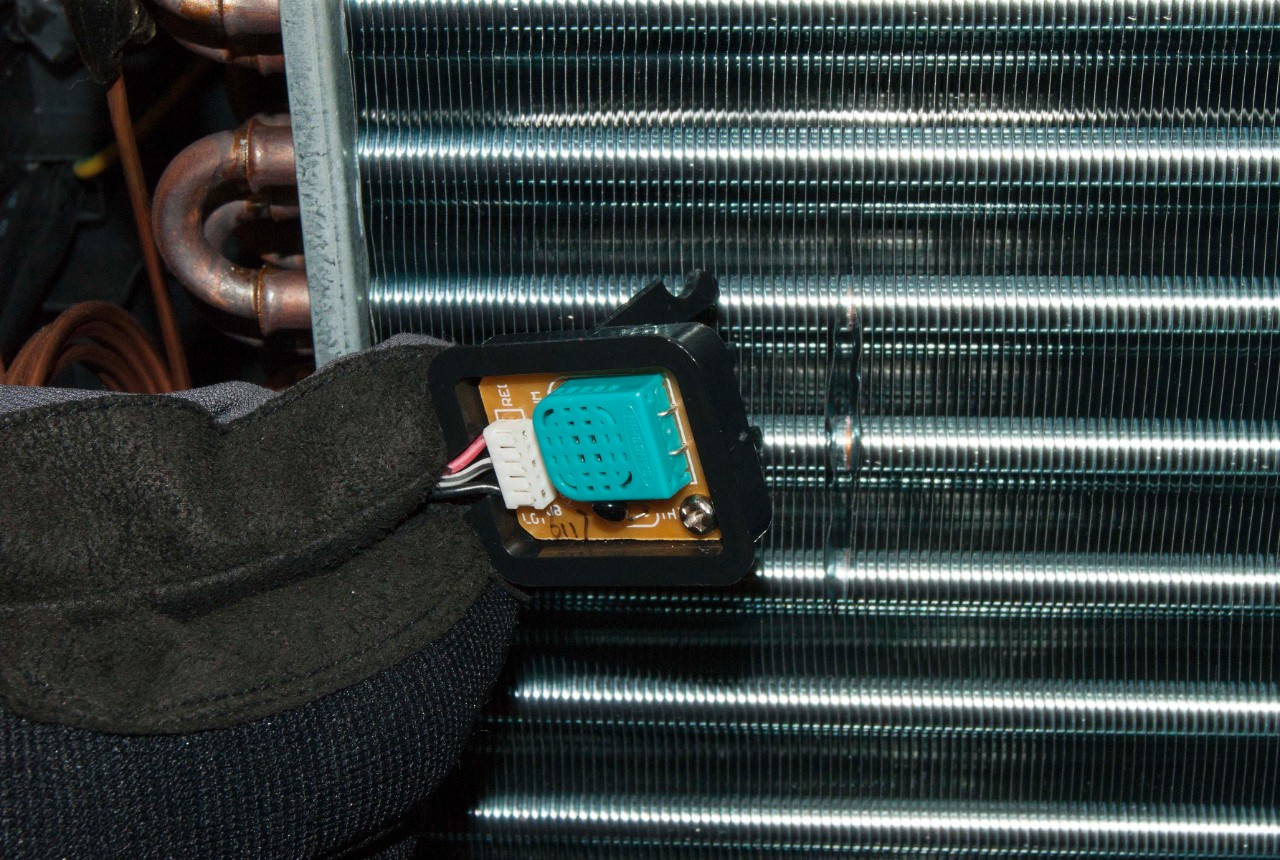
E1: Humidity Sensor Malfunction
E1 indicates your humidity sensor has failed—like a broken thermostat for moisture control. Units run constantly or shut off prematurely without this critical component. Most cases involve dirty connections rather than dead sensors.
DIY Diagnostic Process:
1. Locate the sensor (usually behind front grille near intake)
2. Unplug wires and check for green corrosion on terminals
3. Clean contacts with isopropyl alcohol and cotton swab
4. Reconnect firmly and test operation
Replacement Shortcut: Order exact part numbers by searching “[Your Model] humidity sensor” online. Most sensors plug in—no soldering needed. Test with a hairdryer: unit should shut off within 2 minutes when blowing warm air at sensor.
E2: Temperature Sensor Issues
E2 follows identical troubleshooting steps but targets the coil temperature sensor. This component prevents ice buildup—if faulty, your unit either freezes solid or never reaches target humidity.
Critical Check: With multimeter probes on sensor wires, expect 10kΩ resistance at 77°F. Readings over 15kΩ or below 5kΩ confirm replacement necessity. Always unplug before testing!
Pump System Errors: E4, PU, P1, P2
E4: Pump Failure
E4 specifically affects pump-equipped models (like Frigidaire 70-pint units) when water can’t drain. Unlike bucket overflow, this code means the pump itself isn’t activating—a frequent consequence of mineral buildup.
Three-Step Fix:
1. Disconnect power and remove pump assembly
2. Soak impeller in vinegar for 15 minutes, then scrub with soft toothbrush
3. Verify electrical contacts are dry before reinstalling
Symptom Decoder: No humming sound = electrical fault; humming with no water flow = mechanical blockage. Never force impeller rotation—it breaks fragile vanes.
PU: Pump Timeout
PU means water isn’t draining within the programmed timeframe—often from kinked hoses or algae clogs. This isn’t a pump failure but a drainage obstruction.
Rapid Diagnosis:
– Straighten entire hose path (even small dips trap water)
– Blow air through hose from pump end to dislodge debris
– Clean bucket pickup tube with bottle brush dipped in CLR solution
Pro Move: Install a vertical hose loop 6 inches above floor level to prevent siphoning issues.
P1 and P2: Water Bucket Detection Errors
These codes signal float mechanism failures—not full buckets. Stuck floats trigger false “bucket full” alerts even when empty.
Fix in 60 Seconds:
1. Remove bucket and inspect white plastic float
2. Rub float shaft with vinegar-dampened cloth to dissolve mineral deposits
3. Ensure float moves freely through full range (no sticking points)
4. Reinstall with audible “click” confirming proper seating
Prevention Hack: Add 1 tablespoon of white vinegar to bucket monthly—it dissolves buildup without damaging components.
Critical System Failures: EC, F0, F1, F2
EC and F0: Refrigeration System Failure
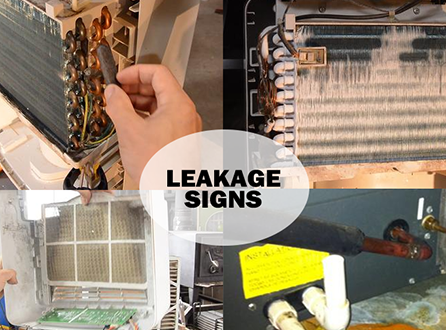
EC/F0 codes indicate refrigerant leaks or compressor failures—beyond DIY repair. Do not ignore these; continued operation destroys the entire system. Look for:
– Oily residue on copper refrigerant lines
– Ice coating evaporator coils despite warm room
– Compressor humming but no cooling effect
Required Action: Contact EPA-certified technicians immediately. Federal law prohibits unlicensed refrigerant handling. Document oil stains with photos for warranty claims.
F1 and F2: Control System Failure
These codes mean your unit’s “brain” can’t communicate with sensors—often from power surges or moisture damage. Symptoms include:
– Random shutdowns during operation
– Display showing conflicting codes
– Settings resetting to factory defaults
Professional Insight: Control boards frequently fail after nearby lightning strikes. Install a $20 surge protector rated for 2,000+ joules to prevent recurrence.
Emergency Reset Protocol That Works 70% of the Time
Before panicking about dehumidifier error codes, perform this universal reset:
1. Unplug for 5 full minutes (capacitors need full discharge)
2. Press and hold power button for 20 seconds while unplugged
3. Empty bucket and clean filter access area
4. Plug directly into wall outlet (no extension cords)
5. Power on and observe startup sequence for 8 minutes
This resolves 7 of 10 intermittent errors by clearing corrupted memory in the control board. If codes reappear immediately, professional diagnosis is essential.
Maintenance Schedule Preventing 90% of Errors
| Frequency | Critical Task | Error Codes Prevented |
|---|---|---|
| Weekly | Empty bucket with vinegar rinse | P1, P2, PU |
| Bi-weekly | Clean filter with soft brush | H3, E1 |
| Monthly | Inspect drain hose for kinks | E4, PU |
| Quarterly | Vacuum coils with soft brush | EC, F0 |
| Annually | Professional refrigerant check | EC, F0 |
Pro Tip: Keep a log of error occurrences—patterns reveal developing issues before catastrophic failures. Note room temperature/humidity during each event.
Most dehumidifier error codes are fixable warnings, not death sentences. By understanding what HI, E4, or H3 truly means—and following these targeted fixes—you’ll extend your unit’s life by 3+ years while avoiding unnecessary service calls. Remember the golden rule: when in doubt, unplug and reset before disassembling. For persistent EC or F0 codes, always seek EPA-certified technicians—refrigerant repairs require specialized licensing. Implement this 5-minute weekly maintenance ritual, and you’ll rarely see error codes flash again. Your perfectly dry basement (and wallet) will thank you.