If your Holmes air purifier suddenly emits a burning odor, your immediate concern should be safety. This isn’t just an unpleasant smell—it’s a potential warning sign that requires prompt action. Unlike many appliance issues that develop gradually, a burning smell from your air purifier demands immediate attention as it could indicate electrical problems that pose fire hazards. While specific manufacturer documentation addressing this exact issue is limited, understanding proper safety protocols when encountering burning smells from electrical appliances is crucial for every homeowner.
When electrical components overheat or fail, they often produce distinctive odors before more serious problems occur. The challenge with Holmes air purifiers specifically is that documented cases and manufacturer guidance about this particular symptom are scarce in official resources. This guide provides essential safety information based on general electrical appliance principles while acknowledging the limitations in Holmes-specific documentation about burning smells.
Immediate Safety Actions for Burning Odors
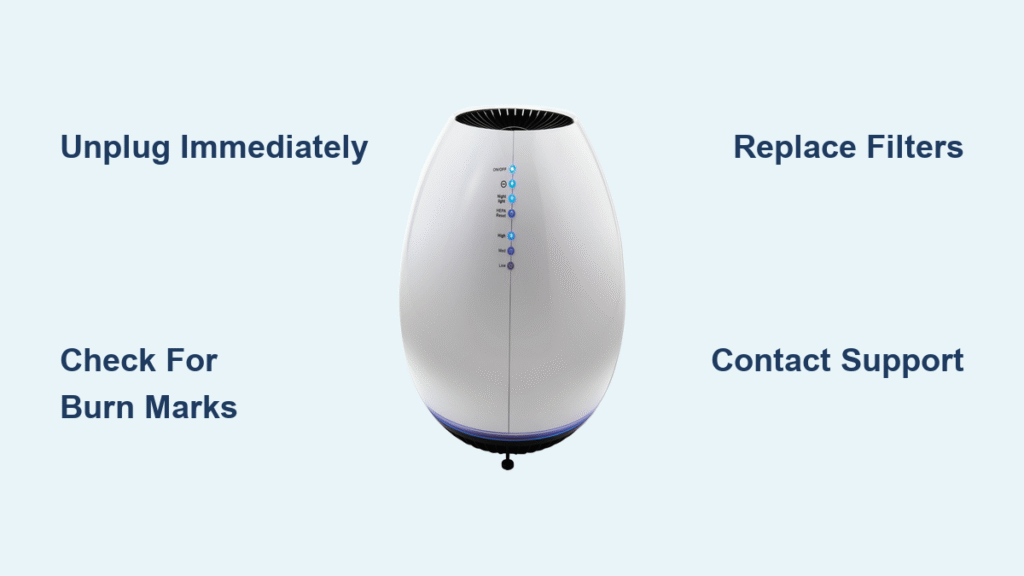
Unplug your Holmes air purifier immediately when detecting any burning smell. Continuing operation could escalate a minor issue into a serious hazard.
Emergency Shutdown Procedure
The moment you notice a burning smell, follow these critical safety steps:
– Press the power button to turn off the unit
– Physically unplug the device from the wall outlet
– Move the unit away from flammable materials
– Allow at least 30 minutes for complete cooling before any inspection
Document specific details while they’re fresh in your memory: When did the smell start? Was it during initial startup or after prolonged operation? How intense was the odor? These observations will help technicians diagnose the problem later.
Critical Safety Assessment
Before attempting any further use of your air purifier, conduct this safety evaluation:
– Odor intensity: Is it a faint plastic smell or a strong electrical burning scent?
– Timing pattern: Does the smell occur immediately upon startup or develop after extended use?
– Physical evidence: Check for visible smoke, discoloration on the unit, or unusual sounds
– Electrical system impact: Has the circuit breaker tripped when the smell occurred?
These observations will determine whether the issue might be safely addressed through basic maintenance or requires professional intervention.
Understanding Possible Causes of Burning Smells

Electrical Component Concerns
While specific Holmes documentation about burning smells is unavailable, electrical issues in air purifiers generally stem from several potential sources. Overheating components, failing wiring, or power supply problems could create burning odors. Unlike mechanical issues that develop gradually, electrical problems often manifest suddenly with distinctive smells.
Warning signs that suggest electrical problems include:
– Burning smell accompanied by unusual buzzing or popping sounds
– Visible damage to the power cord or plug
– The unit feeling excessively hot beyond normal operating temperature
– Frequent tripping of your home’s circuit breakers when the unit operates
Filter-Related Considerations
Though less likely to produce true “burning” smells, severely clogged filters can sometimes create odors when air restriction causes components to overwork. Air purifiers rely on proper airflow, and when filters become saturated, the motor must work harder, potentially leading to overheating.
Common filter issues that might contribute to unusual odors:
– HEPA filters overloaded with particulate matter
– Carbon filters saturated with household chemicals
– Pre-filters trapping large debris that restricts airflow
– Improperly installed filters creating air bypass around filtration media
Diagnostic Approach for Your Unit
Visual Inspection Protocol
After allowing adequate cooling time, perform this systematic visual check:
External examination:
– Inspect the power cord thoroughly for fraying, kinks, or melted areas
– Check the unit housing for warping, discoloration, or soft spots
– Examine all air intake and output vents for blockages
– Look for dust accumulation around electrical components
Internal assessment (only if comfortable and safe):
– Carefully remove outer housing following general appliance safety practices
– Look for visible signs of damage like melted plastic, scorch marks, or burnt components
– Check motor and fan assembly areas for excessive dust buildup
Filter Evaluation Process
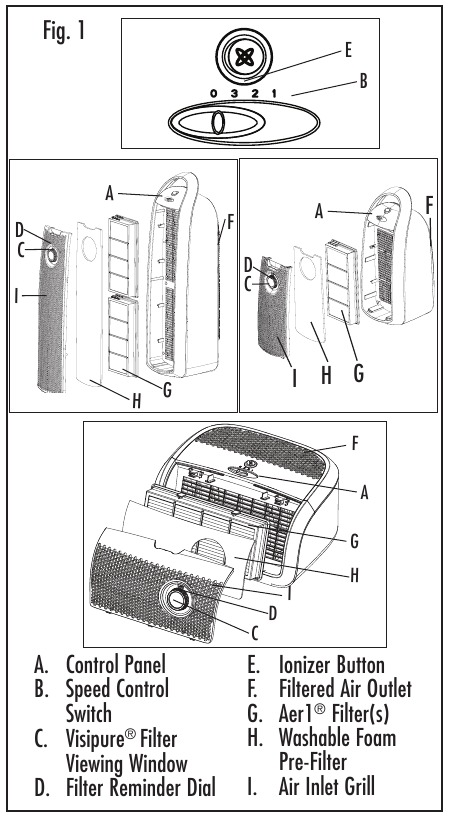
Remove and inspect all filters methodically:
1. Pre-filter: Check for large debris accumulation that might restrict airflow
2. HEPA filter: Hold up to light—replace if you cannot see through it clearly
3. Carbon filter: Replace if it appears saturated or shows physical deterioration
4. Additional media: Check any specialty filters for proper seating and condition
Remember that while dirty filters can cause performance issues, they rarely produce true burning smells—more commonly causing musty or stale odors instead.
Practical Steps to Address the Issue
Initial Troubleshooting Measures
Before considering professional help, try these safety-conscious steps:
– Thorough cleaning: Use a soft brush or vacuum with brush attachment to remove dust from accessible areas
– Filter replacement: Install new filters if current ones exceed their recommended service life
– Clearance check: Ensure the unit has at least 12 inches of clearance on all sides for proper ventilation
– Power source verification: Try a different outlet to rule out electrical supply issues
When Replacement Outweighs Repair
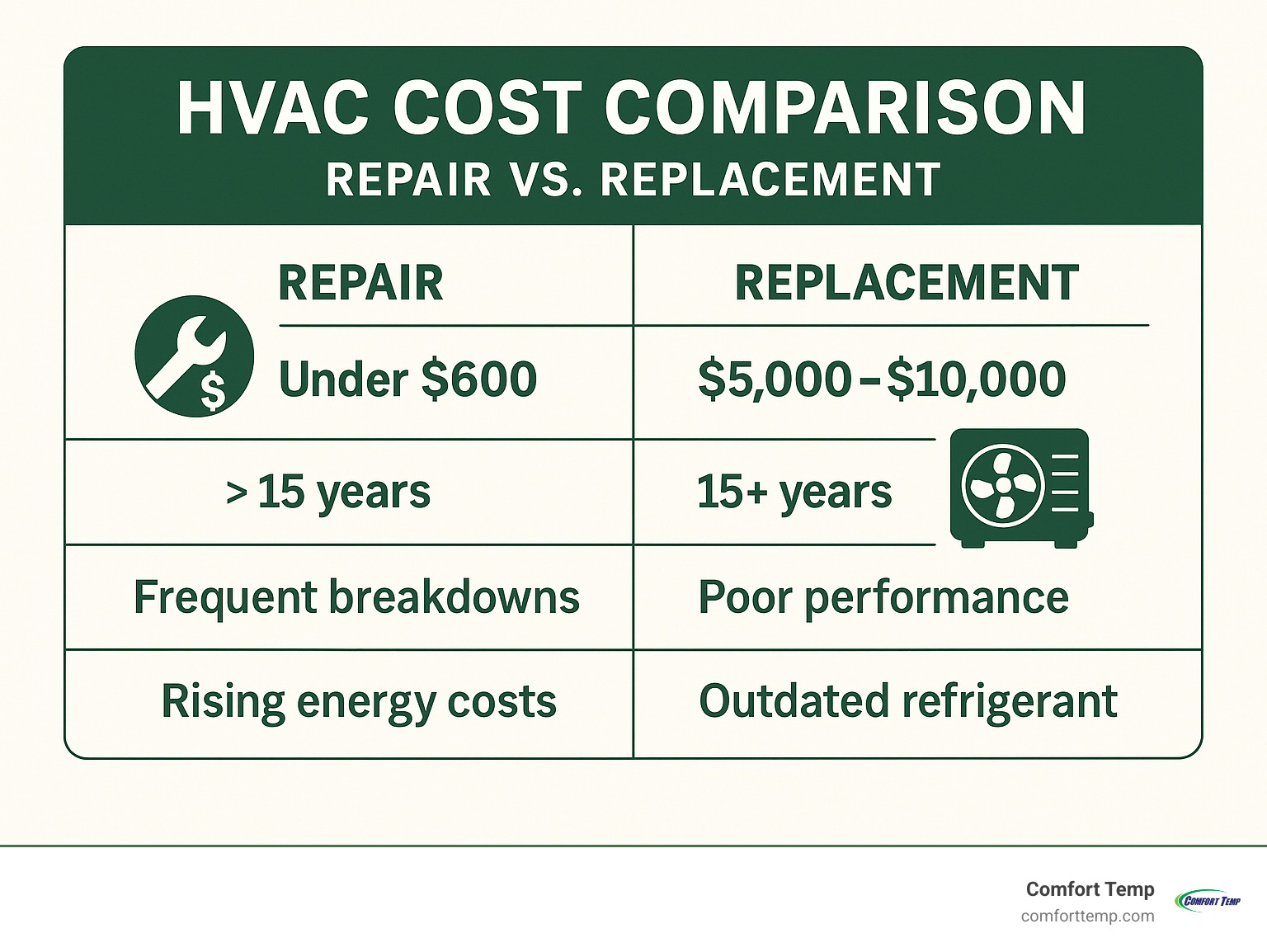
Consider these factors when deciding your next step:
– Unit age: Air purifiers typically have 3-5 year lifespans; older units may not warrant repair
– Warranty status: Check if your unit remains under manufacturer warranty
– Problem persistence: If the burning smell returns after basic cleaning and filter replacement
– Visible damage: Any signs of electrical damage necessitate professional evaluation
Preventing Future Safety Concerns
Essential Maintenance Practices
Establish this maintenance routine to minimize risks:
– Weekly: Wipe exterior surfaces and check for unusual sounds
– Monthly: Clean or replace pre-filters and inspect power cord
– Quarterly: Replace HEPA and carbon filters according to manufacturer guidelines
– Annually: Consider professional inspection for units over two years old
Safe Operation Guidelines
Follow these practices to reduce strain on your air purifier:
– Select appropriate speed settings for your room size
– Avoid continuous 24/7 operation in extremely dusty environments
– Ensure adequate room ventilation while the unit operates
– Never cover or obstruct air intake and output vents
Getting Professional Assistance
When to Contact Experts
Seek professional help immediately if:
– The burning smell persists after basic troubleshooting
– You observe any visible damage to electrical components
– The unit feels excessively hot during normal operation
– You’re uncomfortable performing even basic inspections
Manufacturer Support Resources
Contact Holmes customer service with these details:
– Your specific model number (usually found on the unit’s bottom or back)
– Date of purchase and proof of purchase if under warranty
– Detailed description of the burning smell and when it occurs
– Steps you’ve already taken to address the issue
Making Informed Decisions
Cost-Benefit Analysis
Consider these factors when weighing repair versus replacement:
– New Holmes air purifiers typically range from $100-$400 depending on model
– Professional repairs often cost 50-70% of a new unit’s price
– Newer models offer improved energy efficiency and features
– Warranty coverage provides peace of mind with new purchases
Safety-First Decision Making
When electrical odors are involved, prioritize safety over cost considerations. A burning smell indicates potential electrical problems that could escalate. If you’re uncertain about the severity of the issue, err on the side of caution and consult a professional. Your health and home safety outweigh any potential savings from continuing to use a compromised appliance.
Long-Term Prevention Strategies
Proactive Monitoring System
Implement these monitoring practices:
– Maintain a maintenance log tracking filter changes and observations
– Set calendar reminders for scheduled maintenance tasks
– Note any changes in operational sounds or performance
– Monitor for gradual increases in energy consumption
Early Warning Recognition
Learn to identify early warning signs before they escalate:
– Subtle changes in motor sound or vibration
– Slightly reduced airflow compared to normal operation
– Mild odors that weren’t previously present
– Unusual warmth during normal operation
Key Takeaway: A burning smell from your Holmes air purifier is never normal operation and should be treated as a potential safety concern. While specific manufacturer documentation about this exact issue is limited, general electrical appliance safety principles dictate immediate power disconnection and thorough inspection. Prioritize safety over convenience—when in doubt about electrical issues, consult professionals rather than risking continued operation. Regular maintenance and proper usage significantly reduce the likelihood of encountering such problems, but when they do occur, prompt action protects both your health and home safety. Always refer to your specific model’s documentation for maintenance guidelines and contact Holmes customer support for model-specific concerns.