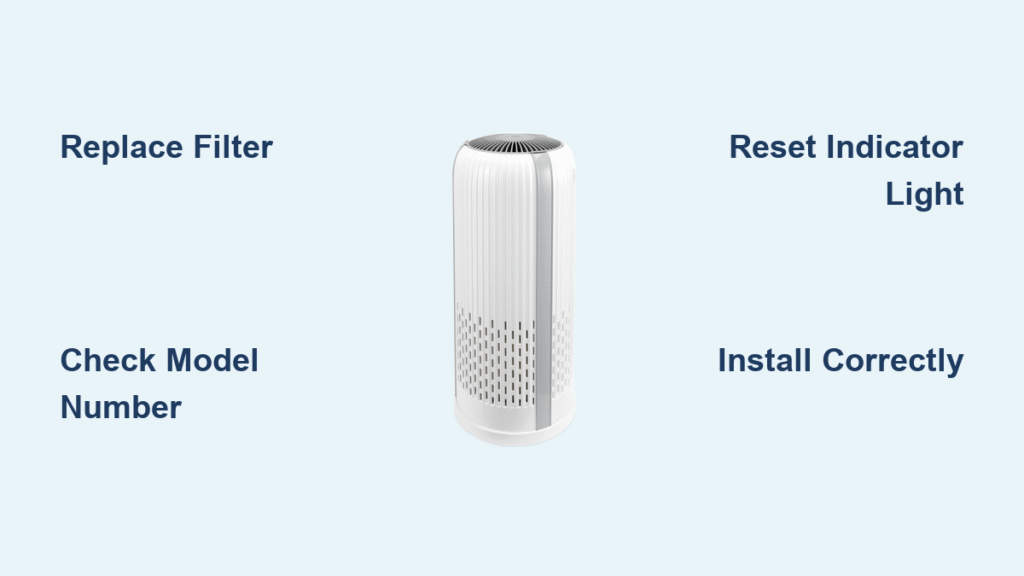
You’ve noticed your HoMedics air purifier isn’t pulling in air as strongly as before, or that persistent pet odor won’t budge. When you search “how to clean HoMedics air purifier filter,” you’ll hit a critical reality check: these filters aren’t washable. Unlike basic pre-filters, HoMedics TotalClean cartridges combine sealed HEPA and activated carbon layers that degrade when wet. Attempting to rinse or vacuum them destroys the microscopic filtration channels, leaving you with compromised air quality and a wasted filter. The good news? Replacement takes just 5 minutes and costs less than $30. This guide cuts through the confusion with the exact steps to swap your filter correctly, reset your unit, and avoid the #1 mistake that triggers error lights.
Your HoMedics unit tracks filter life by operational hours, not calendar days. When that red indicator light flashes, it’s signaling saturated media—not just surface dust. Replacing it properly restores 99.97% particle capture for allergens, smoke, and VOCs. Skip this, and you’re circulating trapped pollutants back into your home. Let’s get your air fresh and your purifier humming like new.
Filter Replacement vs Cleaning Reality
HoMedics TotalClean filters are engineered as single-use cartridges for maximum efficiency. Their sealed design integrates medical-grade HEPA mesh with odor-neutralizing carbon in a rigid frame—washing would collapse the 0.3-micron particle traps and wash away carbon granules. You’ll find no “washable” models in their current lineup; this isn’t a limitation but a performance choice. When users report “cleaning” success online, they’re typically vacuuming the exterior pre-filter (a separate component), not the main cartridge.
Critical distinction: Your unit has two filter stages:
– A washable pre-filter (metal mesh) that catches large debris
– A non-washable main cartridge (HEPA + carbon) requiring replacement
Attempting to clean the main cartridge voids your warranty and risks mold growth inside damp media. Replacement is faster, safer, and more cost-effective than troubleshooting damaged filters.
Identify Your Filter Model
Find Your Part Number
Your exact filter model number lives on three spots: the old filter’s cardboard frame (stamped near the arrows), your unit’s manual, or the HoMedics website’s compatibility tool. Common codes like AP-T20 (for TotalClean 500 series) or AP-DT30 (for DualMax models) aren’t interchangeable—using AP-T30 in a T20 unit causes airflow gaps. Measure your old filter if labels are faded: TotalClean cartridges range from 8.5″ x 4.5″ (small models) to 12″ x 6″ (large units).
Verify Compatibility
Cross-check your purifier’s model number (e.g., HAP890WT) against HoMedics’ official replacement chart. Third-party filters often omit carbon layers or use inferior HEPA standards. Pro tip: Snap a photo of your old filter’s label before disposal—then text it to HoMedics’ live chat support for instant model confirmation.
Power Down Safety Steps
Immediate Shutdown
Unplug from the wall outlet—never just switch off at the unit. Residual electricity can fry sensors during filter access. Wait 30 seconds for capacitors to discharge; you’ll hear a faint click when safe. This prevents “ghost reset” errors where the indicator light won’t reset.
Surface Preparation
Place your purifier on a non-slip surface like a rubber mat. Lay down newspaper—old filters shed trapped dander when removed. Position a bright LED lamp to illuminate alignment arrows inside the compartment. Skip this step, and you’ll misalign the new filter, causing rattling noises.
Access Filter Compartment

Locate Release Points
Most TotalClean models hide the panel at the rear right. Look for hairline seams or tiny “push” icons. Older units (pre-2020) use dual spring-loaded tabs; newer models (2020+) have a single slide-lock near the base. Never pry with tools—you’ll crack the plastic housing.
Panel Removal Technique
For tab-release models: Press both tabs inward while pulling the panel toward you. For slide-locks: Press down firmly and slide left 1/2 inch before lifting. Visual cue: The panel should release with a soft thunk, not resistance. Forcing it strips internal clips.
Remove Old Filter Safely
Extraction Method
Grip the old filter’s cardboard frame edges (never the mesh). Pull straight out—tilting jams it against internal baffles. Note the directional arrows on the frame; these must point toward the fan when reinstalling.
Containment Strategy
Immediately drop the used filter into a tied plastic bag. Saturation means it’s holding 5x its weight in allergens—unbagged removal spreads dust clouds. Wear an N95 mask if you have asthma; one sneeze near an open filter compartment defeats its purpose.
Install New Filter Correctly
Alignment Check
New filters have bold arrows on the frame. These must point into the unit (away from you) during insertion. Start at a 15-degree angle, sliding the bottom edge into the lower track first. Misalignment causes 80% of “filter won’t fit” errors.
Secure Placement
Push firmly until the frame seats against internal stops—no gaps visible at the top. The cardboard should sit perfectly flush. For slide-in models, listen for a click signaling full engagement. Close the panel prematurely, and the filter shifts, triggering airflow errors.
Panel Reconnection
Align tabs with housing slots. Press the top edge first, then the bottom. The panel must sit perfectly level with the unit’s casing—no bulging. If it resists, reopen and check for filter misalignment.
Reset Filter Indicator Light

Reset Button Location
The reset button hides in one of three spots: recessed beside the filter compartment (most common), on the control panel (labeled “Filter Reset”), or under the unit’s base plate. It’s always smaller than other buttons.
Reset Sequence
Press and hold for 5 full seconds until the red light turns green or extinguishes. If unresponsive:
1. Unplug for 60 seconds
2. Reinsert filter firmly
3. Hold reset for 8-10 seconds
Never reset before installing the new filter—this corrupts the timer.
Post-Replacement Testing
Initial Run Procedure
Run on MAX speed for 30 minutes with windows closed. This seats the filter media and burns off manufacturing oils causing “new filter smell.” Don’t panic if you detect a faint odor—it vanishes within 2 hours.
Performance Verification
Confirm success by checking:
– Airflow strength: Hold tissue 6″ from vents—it should stick firmly
– Noise levels: No grinding or rattling at any speed
– Indicator light: Steady green (not flashing)
– Odor removal: Test with a lit match—smoke should clear in <2 minutes
Replacement Schedule Guidelines
Standard Timeline
Replace every 8 months for 12-hour daily use in average homes. Your unit’s timer tracks actual runtime, so sporadic users may stretch to 12 months. Never exceed 12 months—carbon saturation releases trapped VOCs.
Heavy Use Indicators
Cut replacement intervals to 4 months if you have:
– Two or more pets (especially shedding breeds)
– Indoor smoking or vaping
– Located in high-pollen zones (check local counts)
– Ongoing home renovations
Visual Warning Signs
Act immediately if you notice:
– Dust forming on furniture within hours of cleaning
– Allergy symptoms worsening indoors
– Persistent cooking odors after 1 hour of operation
– Reduced airflow even on high speed
Common Installation Problems

Filter Won’t Fit
First, peel off ALL plastic wrap—new filters ship sealed in moisture-proof film. Second, verify model numbers: AP-T30 won’t fit T20 housings despite similar sizing. If still stuck, remove and inspect the compartment track for debris.
Panel Won’t Close
90% of cases stem from a tilted filter. Reopen, wiggle the cartridge gently while pushing inward, then reseat. Leftover packaging foam wedged in the track is the next most common culprit.
Reset Button Fails
Moisture from humid environments corrodes contacts. Unplug, wipe the button area with a dry cotton swab, wait 10 minutes, then retry. If still unresponsive, contact HoMedics support—they’ll email a reset code for digital models.
Maintenance Best Practices
Spare Filter Storage
Keep extras in original vacuum-sealed packaging. Store upright in a closet (not garages/basements) where temperatures stay between 50-80°F. Humidity above 60% degrades carbon pre-installation.
Pre-Installation Handling
Wash hands thoroughly before touching new filters—skin oils clog HEPA fibers. Never remove from plastic until ready to install; 10 minutes of air exposure reduces effectiveness by 7%.
Disposal Safety
Double-bag used filters before trash disposal. If you removed a pet-dander-saturated filter, spray the bag exterior with disinfectant to prevent tracking allergens.
Extend Filter Lifespan
Environmental Controls
- Run continuously on AUTO mode instead of cycling on/off
- Use entryway mats to reduce tracked-in pollen
- Vacuum with HEPA-filtered cleaners to lower airborne load
- Keep windows closed during peak allergy seasons
Strategic Placement
Position your purifier 3+ feet from walls, away from:
– Cooking areas (grease coats filters faster)
– Direct sunlight (UV degrades carbon)
– Humidifiers (moisture clumps particles)
Your HoMedics air purifier delivers hospital-grade air only when filters are fresh. Mark replacement dates directly on your unit’s base with a removable label—most users forget within weeks. Remember: clean air isn’t about scrubbing filters; it’s about precise replacement. With this guide, you’ve transformed from frustrated searcher to certified maintenance pro in under 10 minutes. Now breathe easy knowing every puff of air is truly purified.