Your car’s air might be five to ten times more polluted than outdoor air, with formaldehyde from plastics and leather posing serious risks—especially for children, elderly passengers, and pregnant women. Nearly 90% of vehicles contain dangerous air pollution levels that accumulate from interior materials, exhaust fumes, and everyday contaminants. Learning how to use air purifier in car properly transforms it from a dashboard decoration into a vital health protection system that actively removes 93% of harmful gases.
Most drivers make critical mistakes that render their purifiers ineffective, like placing units where airflow gets blocked or running them with windows open. This guide delivers precise, actionable steps to maximize your purifier’s performance while avoiding common errors that waste money and compromise safety. You’ll discover exactly where to position your unit, when to run specific modes, and how to maintain it for years of reliable service.
Plug In Right: 2 Foolproof Ways to Power Your Car Air Purifier
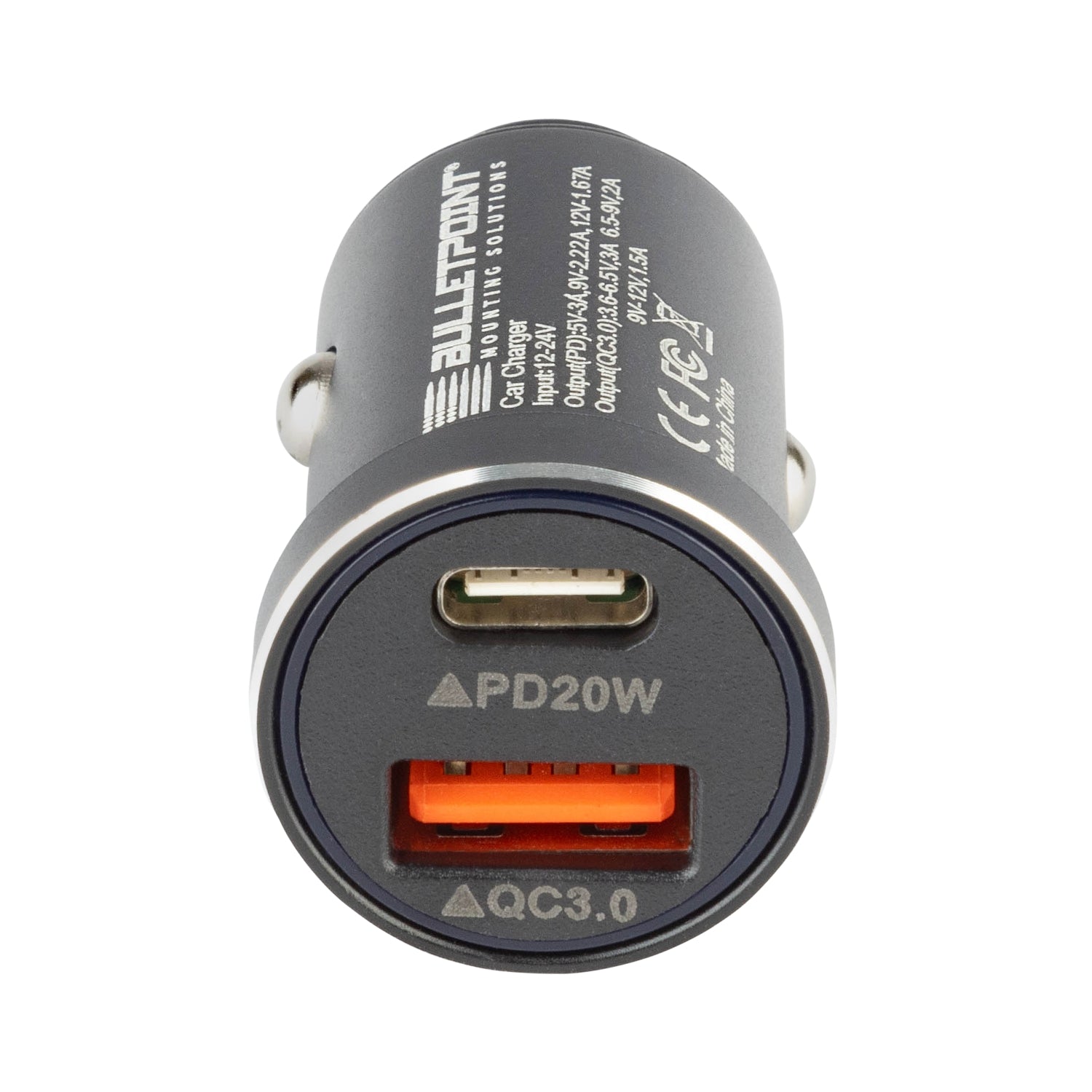
12V Cigarette Lighter Connection That Never Fails
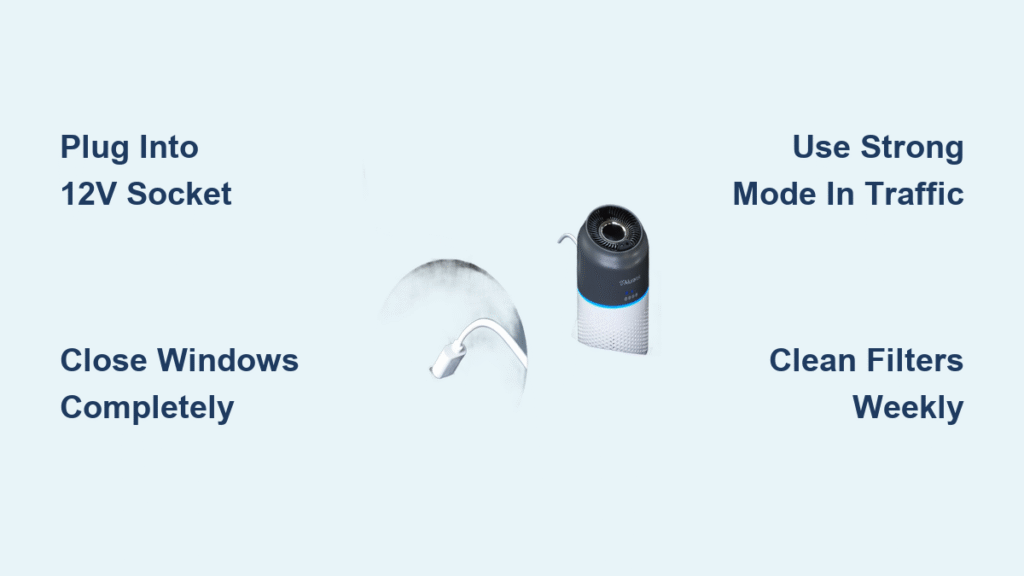
Insert your purifier’s adapter directly into your vehicle’s 12V socket near the dashboard. This method activates the unit automatically when you start your engine and shuts it down with ignition—perfect for consistent daily operation without manual intervention. Before connecting, test the socket with your phone charger to confirm power availability, as blown fuses commonly cause “no power” issues. Route the cable along the dashboard edge away from pedals to prevent entanglement during emergency braking.
USB Rechargeable Setup for Maximum Flexibility
Connect your USB-powered purifier to any 5V source using the included cable—power banks work best for extended trips since they won’t drain your vehicle battery. These units offer flexible placement options but require manual charging every 8-12 hours of continuous use. For optimal performance, choose a high-capacity power bank (20,000mAh+) that can power your purifier for multi-day road trips. Always verify the cable reaches your intended placement spot before finalizing your setup.
Activate & Run: Your 4-Step Car Air Purifier Operation Sequence
Step 1: Secure Power Connection Without Hazards
- Insert adapter into verified working 12V socket OR connect USB to stable power source
- Confirm indicator light turns solid green (not flashing)
- Position cable along dashboard edge using included clips
- Critical safety check: Ensure no cable interferes with pedal operation
Step 2: Correct Activation Based on Your Model Type
Aftermarket models require pressing the power button on the unit itself, typically located on the top or side. Factory-installed systems activate through a dedicated switch inside your central armrest box—consult your vehicle manual if unsure. Smart models with auto-sensors engage automatically when air quality drops below safe thresholds, eliminating manual operation.
Step 3: Select the Right Mode for Current Conditions
Strong mode delivers maximum purification during rush hour traffic when pollution spikes 300% compared to highway driving. Use weak mode for quiet nighttime operation or when passengers are sleeping. Engage ionizer cycles only for 20-minute deep cleaning sessions after transporting smokers or following food spills—extended use can create ozone that irritates sensitive lungs.
Step 4: Smart Shutdown Protocol to Extend Lifespan
Manually power off your purifier before parking for more than 30 minutes. This preserves battery life in rechargeable units and prevents unnecessary filter wear. For 12V models, this step is less critical since they shut down with ignition, but developing the habit ensures proper usage with all purifier types. Never leave units running during refueling—electrical sparks risk explosion near gasoline vapors.
Position for Maximum Impact: Strategic Air Purifier Placement in Your Vehicle

Dashboard Cup Holder Installation That Works
Measure your cup holder diameter first—most cylindrical units require exactly 3 inches of clearance. Insert the purifier so its intake vents face toward passengers, not the windshield, to capture pollutants where people breathe. Test stability by simulating emergency braking; if the unit shifts more than 1 inch, add non-slip padding underneath.
Rear Seat Placement Options for Family Vehicles
Attach flat units to the rear window sill using the included non-slip mat—never block rearview mirror visibility. For hanging models, secure them to front seat headrest posts with adjustable straps, positioning the unit at child head height. Always maintain at least 2 feet between the purifier and any passenger to prevent direct airflow discomfort.
Safety Checklist Before Every Activation
- Close all windows completely before starting purification
- Verify zero obstruction to speedometer or control panels
- Confirm unit won’t become a projectile during sudden stops
- Position at least 3 feet from direct sunlight to prevent overheating
Weekly Maintenance That Doubles Filter Lifespan
Surface Cleaning Protocol to Maintain Peak Performance
Wipe exterior surfaces with a soft, dry microfiber cloth every Sunday—dust accumulation around vents reduces airflow by 30% within two weeks. For stubborn grime, slightly dampen the cloth but never spray liquids directly on the unit. Pay special attention to intake vents where hair and fibers collect, using a soft-bristled toothbrush to dislodge debris.
Filter Replacement Schedule Based on Real Usage
HEPA filters need replacement every 6 months or immediately when airflow drops noticeably—don’t wait for visible discoloration. Carbon filters require swapping every 3-4 months in urban environments where exhaust fumes dominate. Ionizer plates should be cleaned monthly with a damp cloth and dried completely before reinstallation to maintain 93% formaldehyde removal efficiency.
Environmental Adaptation Strategies for Different Driving Conditions
City Traffic Protocol: Continuous Operation Mode
Run your purifier on strong mode during stop-and-go traffic when pollution levels peak. Keep windows completely sealed and activate the vehicle’s air recirculation feature to prevent outside pollutants from entering. This combination reduces nitrogen oxide exposure by 93% compared to driving with windows down in traffic.
Highway Optimization: Smart Intermittent Cycling
Use weak mode with windows cracked 2 inches for fresh air exchange every 20 minutes. This strategy reduces purifier load while maintaining air quality, extending filter life by up to 40% during long trips. Monitor your unit’s air quality sensor—if readings stay green for 15 minutes, you can safely increase the fresh air intervals.
Parking Garage Activation: Pre-Entry Purification
Turn on your purifier 15 minutes before entering your parked car, especially after overnight parking. Stagnant air concentrates toxins to dangerous levels, with formaldehyde release from plastics increasing 40% in hot conditions. This pre-purification cycle eliminates 92.8% of benzene from new car materials before you breathe the air.
Troubleshooting Fast Fixes for Common Problems
No Power? Solve It in 60 Seconds
Check your 12V socket fuse first—many vehicles have separate circuits for front and rear sockets. Try a different USB cable as frayed wires commonly cause connection issues. For persistent problems, test the socket with a known-working device like your phone charger before assuming purifier failure.
Weak Airflow? Immediate Solutions That Work
Replace filters immediately if you notice reduced performance—clogged filters are responsible for 85% of airflow issues. Clean intake vents with compressed air to remove hair and fibers blocking circulation. If problems persist, check for obstructions in the vehicle’s HVAC system that might be creating backpressure.
Critical Safety Warnings You Must Follow
Never operate your purifier while refueling—electrical components risk igniting gasoline vapors. Avoid direct sunlight exposure that can overheat internal components and degrade plastic housing. Monitor children closely as tampering changes settings or causes damage to sensitive sensors. Discontinue use immediately if you detect burning smells or unusual sounds that indicate electrical failure.
Your car’s air quality directly impacts daily health, especially for vulnerable passengers. By following these specific protocols for how to use air purifier in car effectively, you transform it from a decorative gadget to essential health equipment. Start with proper placement and power connection today, then maintain the weekly cleaning schedule to ensure peak performance year-round—your lungs will thank you for the cleaner, safer air inside your vehicle.