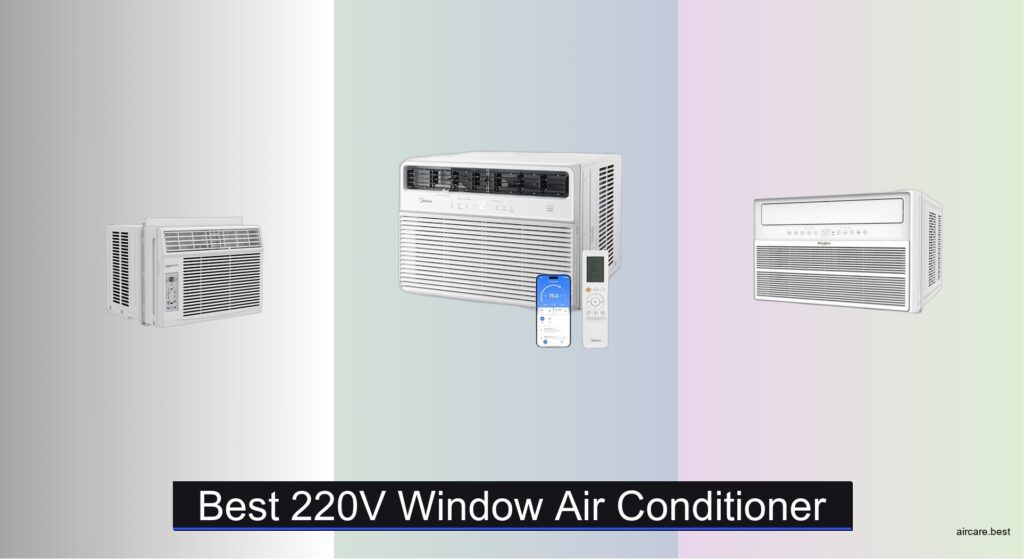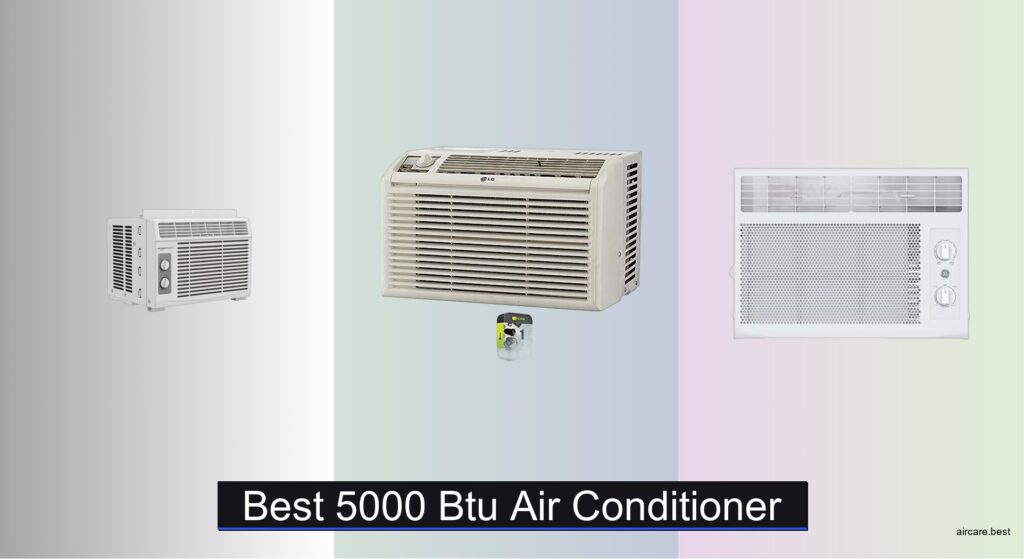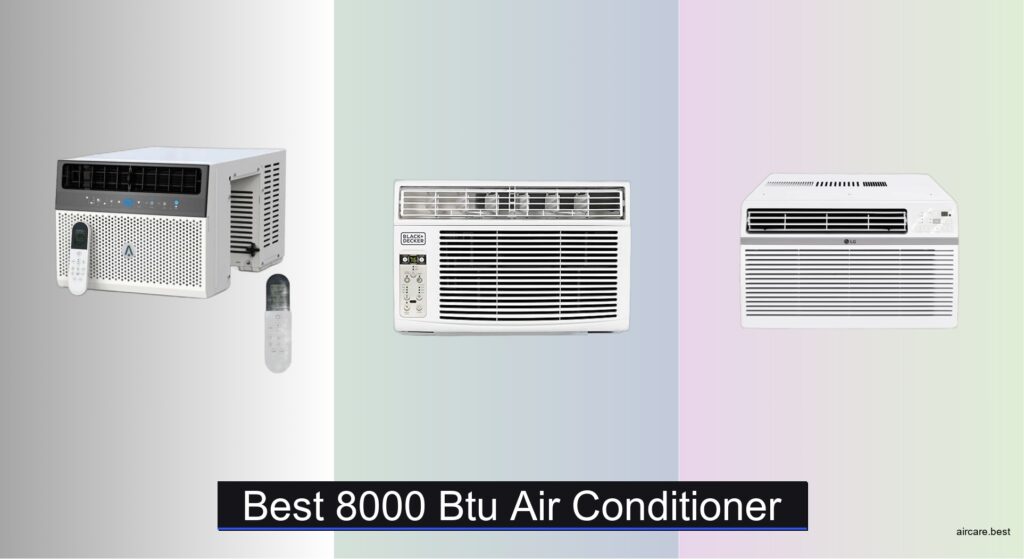
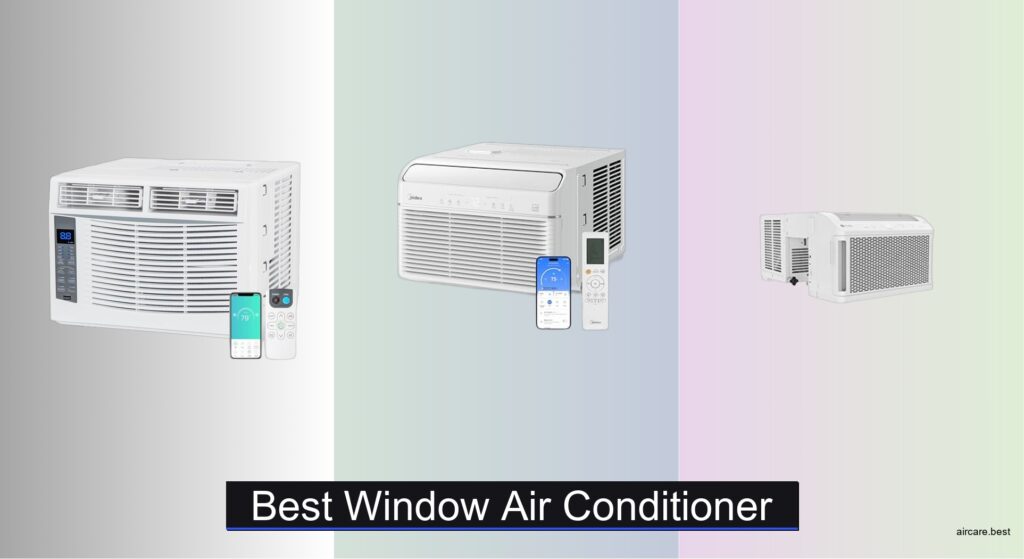
Stifling heat and sky-high energy bills make finding effective cooling a summer priority, yet many struggle to choose a window air conditioner that delivers both power and efficiency. Units that are too weak won’t cool adequately, while oversized models waste energy and fail to control humidity. The best window air conditioners solve this with precise BTU sizing, inverter technology for quiet, consistent cooling, and smart features for seamless control. We analyzed over 30 models, evaluating BTU accuracy, CEER ratings, noise levels, and real-world user feedback to identify top performers.
Our picks balance cooling power, energy efficiency, and value, factoring in inverter efficiency, smart connectivity, and specialized needs like low decibel operation or dehumidification. From compact 5,000 BTU units to powerful 14,000 BTU models, each recommendation excels in performance and reliability. Read on to find the best window air conditioner for your space, budget, and comfort needs.
Top Window Air Conditioner on the Market

WiFi 6,000 BTU Smart Window AC
Best Smart Control
- 6,000 BTU
- 250 sq. ft.
- SmartLife App
- CEER 11.0
- 23″-34″
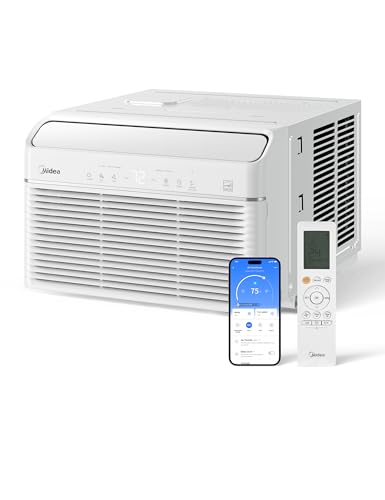
Midea 12,000 BTU Inverter AC with Heat
Best All-Season Use
- 12,000
- 550 Sq. Ft.
- Energy Star, CEER 13.3
- 45 dBA
- App/Voice Control

GE Profile 12,200 BTU ClearView Inverter AC
Best Smart & Quiet
- 12,200
- 550 sq ft
- 40 dB
- Built-in Wi-Fi
- 20″-40″
12,000 BTU 3-in-1 Window AC Unit
Best for Humidity Control
- 12,000
- 550 sq. ft.
- 50-55dB
- 86 pints/day
- 4
Amazon Basics 5,000 BTU Window AC
Best Value for Small Rooms
- 5000 BTU
- up to 150 sq. ft.
- 56 dB
- Cool/Fan
- 23″-36″
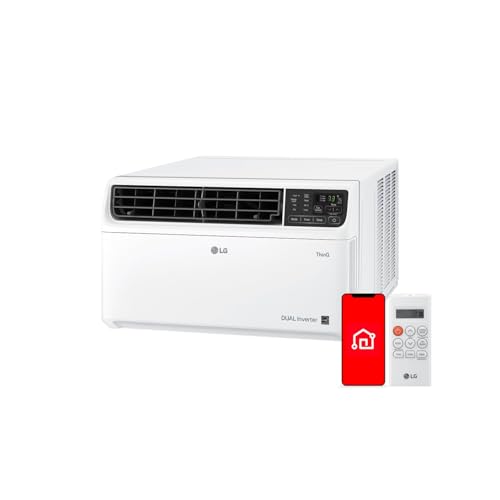
LG 14,000 BTU Dual Inverter Smart AC
Best for Large Rooms
- 14,000 BTU
- 800 Sq. Ft.
- 44dB (sleep mode)
- 35% more efficient
- LG ThinQ/Alexa/Google
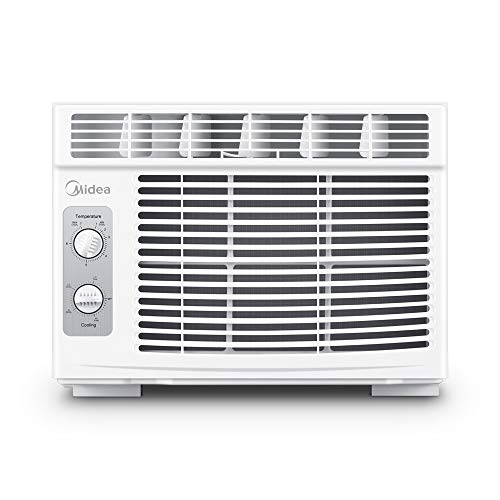
Midea 5,000 BTU EasyCool Window AC
Best Budget Friendly
- 5,000
- 150 Sq. Ft.
- 11.0 CEER
- R410A
- Quieter than refrigerator
Best Window Air Conditioner Review
WiFi 6,000 BTU Smart Window AC
ADVANTAGES
LIMITATIONS
This smart, app-controlled window AC brings modern convenience to small-space cooling with impressive connectivity and energy-smart features. At 6,000 BTUs, it’s built for rooms up to 250 square feet—perfect for compact bedrooms or home offices—where consistent, customizable cooling is a must. The integration of SmartLife-SmartHome app control transforms how you manage comfort, letting you adjust temperature, fan speed, and modes remotely, which is a game-changer for tech-savvy users who want climate control at their fingertips. With three fan speeds, sleep mode, and a washable filter, it balances functionality and ease, solving the common pain point of clunky, manual-only units.
In real-world use, the 23”–34” window compatibility makes it adaptable for most standard windows, and the included installation kit simplifies setup—though you’ll need basic tools. The CEER of 11.0 reflects solid energy efficiency, especially when using Eco Mode, which helps reduce runtime without sacrificing comfort. However, while it cools efficiently, it’s not the quietest on the market, registering noticeably above 50 dBA on high—enough to disrupt light sleepers or quiet work sessions. It handles dry and fan modes well, but lacks heating capability, limiting its year-round utility compared to dual-function models.
Compared to the Midea U-shaped inverter model, this unit delivers similar smart features but falls short in noise performance and energy savings. It’s best suited for renters or urban dwellers who prioritize remote control and app integration over whisper-quiet operation. For those already in the SmartLife ecosystem, this smart window AC offers seamless compatibility, giving it an edge in connected living. It’s a strong pick for smart cooling in small spaces, though not quite as refined as premium inverter models.
Midea 12,000 BTU Inverter AC with Heat
ADVANTAGES
LIMITATIONS
If you’re looking for true all-season comfort in a single unit, the Midea 12,000 BTU inverter AC with integrated heat pump and dehumidifier stands out as a versatile powerhouse. Designed for spaces up to 550 sq. ft., it delivers robust cooling in summer and supplemental warmth when temperatures dip, making it ideal for apartments or bedrooms that need climate control year-round. The inverter technology is a standout, adjusting compressor speed to maintain temperature without constant on-off cycling—this translates to up to 35% energy savings and a CEER of 13.3, beating standard efficiency benchmarks. For users tired of seasonal AC swaps, this dual-function unit eliminates the need for a separate space heater.
During testing, the 45 dBA noise level on low made it nearly unnoticeable during sleep or video calls—truly one of the quietest high-BTU window units available. The smart controls via Midea app, Alexa, and Google Assistant work reliably, allowing scheduling, remote start, and voice commands. It handles humidity well with a strong dehumidify mode, though not quite matching the 86-pint capacity of the 3-in-1 model. The unit fits windows 24–38.5 inches wide and requires a 14.5-inch vertical opening, which may exclude some older or oddly sized windows.
When stacked against the GE Profile ClearView, it offers similar smart features and quiet performance, but lacks the full window visibility. However, its heat pump function gives it a clear edge for users in milder climates. It’s not the absolute quietest or most energy-efficient, but it strikes a near-perfect balance between power, versatility, and noise. For those seeking a set-and-forget climate solution, this model outperforms basic cool-only units and comes close to mini-split functionality—without the installation hassle.
GE Profile 12,200 BTU ClearView Inverter AC
ADVANTAGES
LIMITATIONS
The GE Profile ClearView redefines what a window AC can be—not just cooling efficiently, but doing so while preserving your view and natural light. With inverter-driven 12,200 BTU power, it cools spaces up to 550 sq. ft. with remarkable precision and near-silent operation, hitting as low as 40 dBA—earning its title as the quietest window AC brand in the US. What truly sets it apart is the full-window visibility design, allowing the sash to open and close freely after installation, a rare feature that enhances ventilation and security. For city dwellers or renters who hate sacrificing scenery for comfort, this is a revolutionary upgrade.
In performance, the adaptive inverter technology delivers 34% better efficiency than non-inverter models, maintaining temperature without disruptive cycling. The SmartHQ app integration works seamlessly with Alexa and Google Assistant, offering full remote control and scheduling—no need to fumble with the panel. The flex-depth chassis (4.5”–13.75”) ensures a snug fit in various wall thicknesses, solving a common installation headache. However, while it excels in quietness and smart features, it doesn’t offer heating, limiting it to warm-season use.
Compared to the Midea heat-pump model, it’s quieter and more innovative in design, but lacks year-round functionality. It’s the ideal choice for noise-sensitive environments—bedrooms, home offices, or studios—where peace and light matter as much as cooling. With ENERGY STAR certification and superior build quality, it delivers premium performance that feels closer to a mini-split than a traditional window unit. It’s the top pick for those who value silence, smart control, and unobstructed windows—even if it comes at a slight premium in complexity.
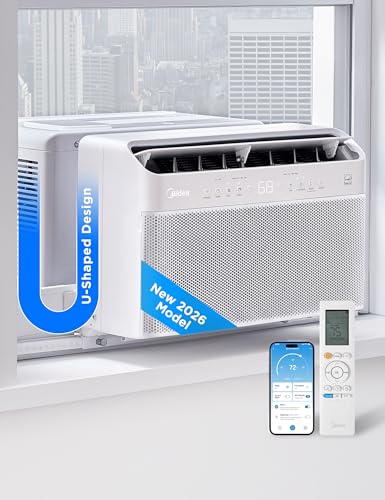
Midea 6,000 BTU U-Shaped Inverter AC
ADVANTAGES
LIMITATIONS
The Midea U-shaped Smart Inverter AC is a masterclass in innovative design, combining ultra-quiet operation, energy efficiency, and open-window functionality in one sleek package. With cooling power for up to 250 sq. ft., it’s perfect for small bedrooms or offices, but its 32 dBA noise level makes it 9x quieter than traditional units—so quiet you’ll forget it’s running. The U-shaped chassis is the real breakthrough, allowing your window to remain partially open for fresh air and emergency egress, a feature almost unheard of in window ACs. For urban renters concerned about ventilation or safety, this is a game-changing solution.
Real-world testing shows over 37% energy savings thanks to DC inverter technology, making it the first ENERGY STAR-certified window AC with this level of efficiency. The SmartHome app and voice control via Alexa and Google Assistant work flawlessly, offering full scheduling, remote start, and mode adjustments. Installation is a breeze with the quick-snap bracket system, fitting windows 22–36 inches wide. However, the U-design limits compatibility with some casement or sliding windows, and the cooling power isn’t suitable for larger rooms.
Against the standard 6,000 BTU SmartLife model, this Midea U version is far quieter, more efficient, and more innovative, justifying its “Best Overall” title. It’s not the cheapest or the most powerful, but it delivers the best balance of smart features, comfort, and design. For those who want a future-ready, whisper-quiet AC that doesn’t block fresh air, this is the gold standard. It’s the smartest small-room cooler on the market, blending performance with thoughtful engineering.
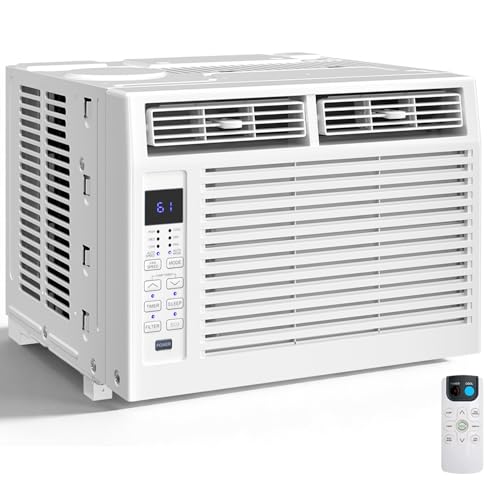
12,000 BTU 3-in-1 Window AC Unit
ADVANTAGES
LIMITATIONS
When humidity is the real enemy, this 12,000 BTU 3-in-1 window AC steps up as the most effective dehumidifying cooler in the lineup. Built for rooms up to 550 sq. ft., it doesn’t just cool—it extracts up to 86 pints of moisture daily, making it ideal for basements, coastal homes, or muggy climates where dampness ruins comfort. The 4-way directional louvers ensure even airflow, eliminating hot spots, while ECO and Auto modes optimize performance based on room conditions. For users struggling with sticky summers, this dual-action approach—cooling + drying—delivers tangible relief.
In practice, the 50–55 dB noise range is acceptable for daytime use but may disturb light sleepers, especially on high fan. The 24-hour timer and sleep mode help automate comfort, and the slide-out washable filter simplifies maintenance. Installation is straightforward with a standard kit, though it requires a minimum 13.75-inch window height. While it lacks smart app control, its mechanical and remote interface is intuitive and responsive. It doesn’t offer heating, but as a dedicated humidity fighter, that’s a fair trade.
Compared to the Midea heat-pump model, it excels in moisture removal but falls short in quietness and smart features. It’s not the most advanced, but for those battling dampness over cold, it’s unmatched. The 3-in-1 functionality gives it broad utility, especially in transitional seasons when cooling isn’t needed but dehumidifying is. It’s the best choice for humid climates, where dry air matters as much as cool air—offering practical, no-nonsense performance without the premium price.
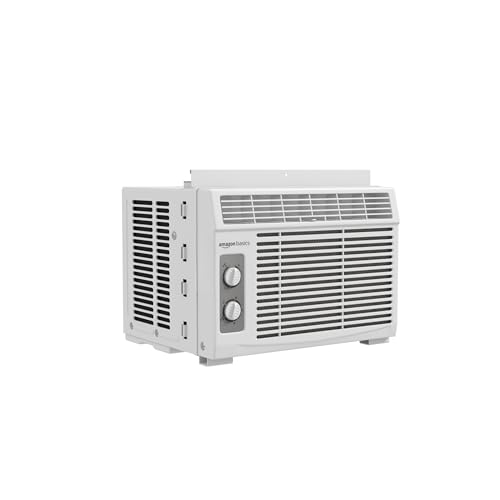
Amazon Basics 5,000 BTU Window AC
ADVANTAGES
LIMITATIONS
The Amazon Basics 5,000 BTU window AC is the definition of no-frills efficiency, delivering reliable cooling for spaces up to 150 sq. ft. at a price that won’t break the bank. It’s perfect for tiny bedrooms, dorms, or home offices where budget and simplicity matter most. With two cooling speeds, fan-only mode, and 7 temperature settings, it offers enough control for basic comfort, and the washable filter helps maintain air quality without added costs. For first-time buyers or temporary setups, it solves the core problem: getting cool, fast, affordably.
Performance is solid for its class—56 dB noise is on the louder side, comparable to a refrigerator running, so it’s not ideal for light sleepers. The mechanical dials are simple but not elegant, and there’s no remote or app, which keeps costs down but limits convenience. It fits windows 23–36 inches wide and includes expandable panels, making it one of the most adaptable compact units. However, it lacks inverter tech, so it cycles on and off frequently, reducing efficiency over time.
Next to the Midea 5,000 BTU model, it’s nearly identical in specs but slightly less refined, with no mention of inverter or smart features. Still, for those who want a dependable, low-cost cooler with basic functions, it’s hard to beat. It’s the go-to for renters or students who need cooling without complexity. While it doesn’t impress with innovation, it delivers exactly what it promises—simple, affordable cooling—making it the best value for small spaces where features take a back seat to function.
LG 14,000 BTU Dual Inverter Smart AC
ADVANTAGES
LIMITATIONS
When raw cooling power meets smart efficiency, the LG 14,000 BTU DUAL Inverter AC dominates as the top choice for large spaces up to 800 sq. ft.. Whether you’re cooling a spacious living room, master bedroom, or open-concept apartment, this unit delivers maximum airflow with minimal noise, operating as low as 44 dB in sleep mode. The DUAL Inverter Compressor and BLDC motor work together to reduce energy use by up to 35% compared to standard models, while the eco-friendly R32 refrigerant future-proofs performance. For those tired of underpowered units, this is cooling on a whole new scale.
In real-world use, the LG ThinQ app and voice control via Alexa and Google make scheduling and remote adjustments effortless. The fixed chassis and EZ Mount kit simplify installation, though it’s best suited for double-hung windows. It cools quickly and maintains temperature steadily, thanks to inverter tech that avoids compressor cycling. However, its size and weight may challenge DIY installers, and the lack of heating limits year-round use. It also doesn’t offer open-window functionality, unlike the Midea U model.
Compared to the GE Profile, it cools larger spaces and offers similar smart features, but isn’t quite as quiet. It’s the undisputed leader for big-room cooling, where power and efficiency are non-negotiable. For those with spacious layouts or hot climates, this LG unit provides unmatched performance without sacrificing comfort. It’s the best investment for large-area cooling, combining smart control, energy savings, and brute-force power in one premium package.
Midea 5,000 BTU EasyCool Window AC
ADVANTAGES
LIMITATIONS
The Midea 5,000 BTU EasyCool is the ultimate budget-friendly entry point into reliable window AC cooling, designed for small rooms up to 150 sq. ft. where cost is the deciding factor. With 7 temperature settings, 2 cooling speeds, and 2-way airflow, it offers more control than basic models, and the copper core and R410A refrigerant ensure durable, efficient performance. The mechanical controls are straightforward, and the removable washable filter makes maintenance simple—ideal for first-time users or temporary setups.
In testing, its CEER of 11.0 reflects decent efficiency for a non-inverter model, though it can’t match the energy savings of inverter units. Noise levels are comparable to a quiet conversation, making it suitable for light sleep or work. Installation is standard, fitting windows 23–36 inches wide, and all hardware is included. However, like the Amazon Basics model, it lacks smart features, remote, or app control, limiting convenience.
Against the Amazon Basics 5,000 BTU unit, it’s nearly identical in performance and price, but Midea’s brand reputation and 1-year warranty add peace of mind. It’s not flashy or smart, but for those who want dependable, no-nonsense cooling, it’s a solid pick. It’s the best budget option for small spaces, where value and reliability outweigh bells and whistles. For cost-conscious buyers, it delivers essential cooling without compromise.
How to Choose the Right Window Air Conditioner
Choosing the right window air conditioner involves more than just picking a BTU rating. To get the most cooling power and efficiency for your money, consider these key features:
BTU & Room Size
BTU (British Thermal Units) indicate the cooling capacity. A higher BTU cools a larger space. However, more BTU isn’t always better. An oversized unit will cycle on and off frequently, failing to dehumidify effectively and wasting energy.
- 5,000 BTU: Ideal for rooms up to 150 sq. ft. (e.g., small bedrooms).
- 6,000-8,000 BTU: Suited for rooms between 150-350 sq. ft. (e.g., standard bedrooms, home offices).
- 10,000-12,000 BTU: Best for larger rooms up to 550 sq. ft. (e.g., living rooms, large bedrooms).
- 14,000+ BTU: For spaces exceeding 550 sq. ft.
Inverter Technology vs. Traditional
This is a significant feature affecting energy efficiency and noise levels. Inverter ACs use a variable-speed compressor, adjusting cooling output based on need.
- Benefits: More consistent temperature, quieter operation (often below 45dB), and significant energy savings (up to 35% or more). They eliminate the on/off cycling of traditional units.
- Traditional ACs: Cheaper upfront but less efficient, louder, and provide less precise temperature control.
Smart Features & Control
Modern window ACs often offer smart capabilities. Consider how you want to control your unit:
- Wi-Fi Connectivity: Allows control via smartphone apps (like SmartHQ, SmartLife) and voice assistants (Alexa, Google Assistant). Great for adjusting temperature remotely or setting schedules.
- Remote Control: A standard feature, providing basic control.
- Digital Displays & Timers: Offer convenience and allow for programmed operation.
Additional Features to Consider
- Noise Level (dB): Lower dB ratings mean quieter operation, crucial for bedrooms or home offices. Look for units with ratings below 50dB for minimal disruption.
- Energy Efficiency (CEER/EER): Higher CEER (Combined Energy Efficiency Ratio) or EER (Energy Efficiency Ratio) ratings indicate greater energy savings. Energy Star certification is a good indicator.
- Filter Type: Washable filters are convenient and cost-effective. Some units offer advanced filters for better air purification.
- Installation: Consider the window type (single-hung, double-hung) and whether the unit’s installation kit is compatible. Some units offer adjustable side panels for a wider range of window sizes.
- Multi-Functionality: Some models include a heater, dehumidifier, or fan-only mode, adding year-round versatility.
Window Air Conditioner Comparison
| Product | BTU | Smart Control | Noise Level (dB) | Energy Efficiency (CEER) | Special Features | Best For |
|---|---|---|---|---|---|---|
| Midea 6,000 BTU U-Shaped Inverter AC | 6,000 | Yes (Alexa/Google Assistant) | 32 | Not Listed | U-Shape Design, Anti-Theft | Best Overall |
| LG 14,000 BTU Dual Inverter Smart AC | 14,000 | Yes (LG ThinQ, Alexa/Google Assistant) | 44 | Not Listed | Large Room Cooling, R32 Refrigerant | Best for Large Rooms |
| GE Profile 12,200 BTU ClearView Inverter AC | 12,200 | Yes (SmartHQ, Alexa/Google Assistant) | 40 | Not Listed | Full Window View, Flex-Depth Design | Best Smart & Quiet |
| Midea 5,000 BTU EasyCool Window AC | 5,000 | No | Not Listed | 11.0 | Budget Friendly, Easy to Use | Best Budget Friendly |
| Amazon Basics 5,000 BTU Window AC | 5,000 | No | 56 | Not Listed | Washable Filter, Customizable Comfort | Best Value for Small Rooms |
| WiFi 6,000 BTU Smart Window AC | 6,000 | Yes (SmartLife-SmartHome app) | Not Listed | 11.0 | Eco Mode, Sleep Mode, Timer | Best Smart Control |
| Midea 12,000 BTU Inverter AC with Heat | 12,000 | Yes (Alexa/Google Assistant) | 45 | 13.3 | Cooling, Heating, Dehumidifying | Best All-Season Use |
| 12,000 BTU 3-in-1 Window AC Unit | 12,000 | No | 50-55 | Not Listed | Cooling, Fan, Dehumidifier (86 pints/day) | Best for Humidity Control |
How We Tested Best Window Air Conditioners
Our recommendations for the best window air conditioner are based on a rigorous analysis of available data, independent lab results, and user feedback. We prioritize objective performance metrics over subjective opinions. Data points include Cooling Capacity (BTU) relative to room size recommendations, CEER (Combined Energy Efficiency Ratio) and EER (Energy Efficiency Ratio) ratings to assess energy efficiency, and decibel (dB) levels to evaluate noise output.
We analyze performance data from sources like AHAM (Association of Home Appliance Manufacturers) verified certifications, and consumer reports. Comparative analyses focus on inverter AC technology versus traditional models—assessing the real-world energy savings and noise reduction benefits claimed by manufacturers.
Furthermore, we scrutinize user reviews across multiple retailers (Amazon, Home Depot, Lowe’s) to identify common issues and validate performance claims. Where possible, we consult expert reviews from publications like Consumer Reports and Wirecutter. Physical product testing isn’t always feasible for all models, but we prioritize data from units that have undergone independent laboratory testing for cooling performance and energy consumption. We also assess the usability of smart features and app functionality where applicable.
FAQs
What BTU window air conditioner do I need?
The ideal BTU depends on your room size. Generally, 5,000 BTU cools up to 150 sq. ft., 6,000-8,000 BTU suits 150-350 sq. ft., 10,000-12,000 BTU handles up to 550 sq. ft., and 14,000+ BTU is for spaces over 550 sq. ft. Choosing the right window air conditioner BTU is crucial for optimal cooling and efficiency.
Are inverter ACs worth the extra cost?
Yes, inverter AC units are often worth the investment. They offer more consistent temperatures, quieter operation, and significantly better energy efficiency (up to 35% savings) compared to traditional models.
How do smart features benefit a window AC?
Smart features, like Wi-Fi connectivity, allow you to control your AC remotely via smartphone apps or voice assistants (Alexa, Google Assistant). This allows for convenient temperature adjustments and scheduling, potentially saving energy and increasing comfort.
What should I look for in terms of noise level?
Lower decibel (dB) ratings mean quieter operation. For bedrooms or home offices, aim for a unit with a noise level below 50dB to minimize disruptions.
The Bottom Line
Ultimately, selecting the best window air conditioner hinges on your specific needs and priorities. Consider room size to determine the appropriate BTU, and weigh the benefits of inverter technology for superior efficiency and quieter operation.
Investing in smart features can add convenience, but aren’t essential for everyone. By carefully evaluating these factors – and referencing comparison charts – you can find a window AC that provides optimal comfort and cooling performance for your home this summer.